Bangkok accessibility: an honest guide for wheelchair and mobility travellers
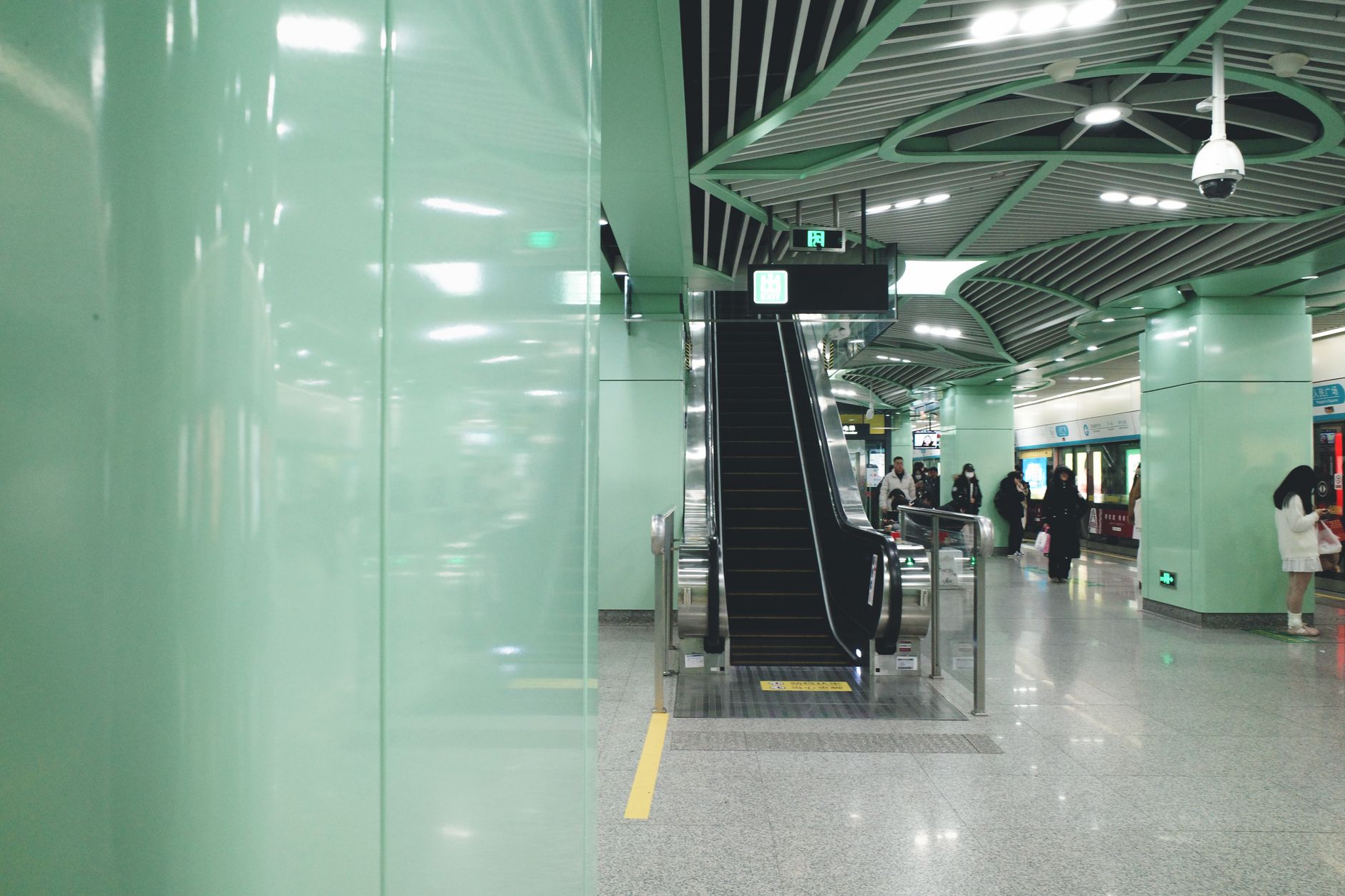 Elevator entrance at a Bangkok MRT station with accessibility signage
Bangkok is 60% accessible in the modern zones and 20% in the old ones — here is how to plan around the difference.
The blunt overall picture
Bangkok is not one of the great accessible cities. The sidewalks are uneven, high-kerbed and often blocked by parked motorbikes, food stalls and utility poles set in the middle of the pavement. Curb cuts exist inconsistently. In the older districts — Rattanakosin, Chinatown, Banglamphu — the pavements are cracked concrete over open drainage, and a manual wheelchair user without a helper will not get far. This is the honest baseline before we get to what does work.
What works, and works well, is the newer infrastructure: the MRT underground, the newer BTS stations, the shopping malls, and the modern hotels above a certain price point ($150+ a night, roughly). If you build your trip around these islands of accessibility and use accessible taxis to bridge between them, Bangkok is very much doable — the cost is planning time and a slightly higher budget than an ambulatory traveller would spend.
The MRT is your best friend
The MRT Blue Line has full lift access at every one of its 38 stations, tactile paving on all platforms, accessible toilets at most stations, and gap-fillers between train and platform that are meaningfully smaller than the BTS. Staff at the station gates will unlock the wide accessible gate on request without fuss. Fares are $0.50-1.50. If your itinerary works via MRT, you have solved 70% of the transport problem before you started.
The MRT connects the north (Chatuchak, weekend market), the centre (Silom, Sukhumvit interchanges at Sala Daeng/Silom and Asok/Sukhumvit), Chinatown (Wat Mangkon), Hua Lamphong, and the Old City fringe (Sam Yot). That is a huge amount of tourist Bangkok reachable without stairs. Add the Purple Line and the Yellow Line, both also fully accessible and both extending into the outer suburbs, and the mass-transit backbone is genuinely usable.
The BTS: mixed, and check the station before you commit
The BTS Skytrain is a mixed picture. All stations opened after 2015 have lifts on both sides; many older ones have lifts on only one side, requiring a longer surface detour to reach the accessible entrance; a handful of older central stations still have stairs only or require staff-operated wheelchair lifts on the stairs, which is slow and reliant on staff being on shift. Nana, Ratchathewi and some Silom-line stations are the harder cases.
Before you plan a day around a BTS station, check the BTS Skytrain website's accessibility page — it lists lift availability station by station, and the list changes as retrofits complete. Asok, Phrom Phong, Thong Lo, Ekkamai, Siam, Chit Lom and Sala Daeng are all fine. Saphan Taksin (for the river) has an accessible route but it involves a long ramp. Plan the outbound and return legs both, because a lift working this morning does not guarantee it works tonight.
Taxis, Grab and the accessible-vehicle problem
Grab has an option called Grab Assist that pairs riders with drivers trained for mobility-impaired passengers, but the fleet is thin and wait times can be 20-40 minutes at peak. Book early and, if possible, schedule rides in advance. Standard Grab cars are sedans with normal boot space — a folding manual chair fits, a rigid or powered chair usually does not. If you can transfer to the seat and fold the chair, you have the whole Grab fleet available.
Street taxis are hit and miss on willingness to take a folding chair. Wheelchair-accessible vans (with rear ramps) do exist as a specialist private-hire market — companies like Accessible Thailand and Wheelchair Tours Thailand run them at about $80-120 a half-day with driver. For airport transfers specifically, book the accessible van in advance; the Suvarnabhumi taxi rank does not have accessible vehicles on standby.
Hotels: the modern chains solve most of it
Above about $150 a night, the international chains — Marriott, Hilton, Hyatt, Sheraton, InterContinental, Shangri-La and the equivalent Thai groups — offer accessible rooms with roll-in showers, grab bars, lowered peepholes and lever handles. Book by phone or email rather than through a booking site to confirm the specific features you need; the general accessible box gets ticked for rooms that in reality have a lipped shower or a fixed showerhead.
Below $80 a night, accessibility becomes rare and boutique properties in restored shophouses (a lot of Chinatown and the Old City) are usually inaccessible by construction — narrow stairs, no lift, high thresholds. The four-star modern hotels near BTS Asok, Phrom Phong and Sala Daeng are the sweet spot: $120-180 gets you a fully accessible room, a step-free lobby, an accessible pool in many cases, and a BTS station 100 metres away.
Sights: which ones actually work
The Grand Palace is partially accessible — the main courtyards are flat marble and paved paths, but several buildings have raised sills and steps that are not ramped, and Wat Phra Kaew's ordination hall requires stairs. Wat Pho has step-free access to the Reclining Buddha hall via a side entrance staff will show you. Wat Arun is difficult; the main prang cannot be climbed and the surrounding terraces are uneven.
The malls and modern attractions are excellent — Iconsiam, Siam Paragon, EmQuartier, MBK, CentralWorld, Terminal 21, Chatuchak's covered core, Sea Life at Siam, Madame Tussauds. Jim Thompson House has ramps to the ground floor and a lift; the traditional teak houses upstairs are not accessible. Lumphini and Benjakitti Parks are flat, paved and pleasant. Chinatown's Yaowarat main street is passable but the side sois are not.
Heat, humidity and the plan-around-noon rule
March to May Bangkok hits 34-38°C with humidity that makes wheelchair pushing genuinely exhausting for a companion. The pavements radiate heat, the shade is inconsistent, and the water bottles empty faster than expected. Plan outdoor activity for 07:00-10:00 and 16:00-19:00, and use the middle of the day for indoor targets — malls, museums, spas, hotel rest. This is not a soft recommendation; it is a safety rule for anyone with limited thermoregulation.
The malls are air-conditioned to 22°C and connect to their BTS/MRT stations by covered, accessible walkways in the Siam/Chit Lom cluster — you can spend a full midday there without going outside. Iconsiam, EmQuartier and Siam Paragon all have accessible toilets, changing rooms, and cinema access. Pack a rechargeable neck fan, a wide-brim hat and a cooling towel; the small logistics of heat management matter more here than in cooler cities.
Before you book
What people ask before booking Siam.
Yes, both Suvarnabhumi and Don Mueang have full accessibility — lifts, accessible toilets, wheelchair assistance from check-in to gate on request when booking the flight. The Airport Rail Link from Suvarnabhumi is also accessible with lifts at every station. Notify the airline 48 hours ahead for boarding assistance.
Yes, several agencies rent manual and power chairs by the day or week — Wheelchair Tours Thailand and Accessible Bangkok are the established names. Rates run about $10-15 a day for a manual chair, $30-50 for a power chair, with delivery to your hotel. Book at least a week ahead.
Only partially. The main avenues in Sukhumvit, Silom and Sathorn are mostly passable with occasional detours around blocked sections. Old City, Chinatown and Khao San have narrow, cracked and obstacle-strewn pavements. Plan to travel by MRT and taxi between accessible zones rather than rolling long distances.
Mall restaurants and modern chain cafés — yes, universally. Street-level restaurants — mixed, often with a step at the door or narrow interior aisles. Hotel restaurants are reliably accessible. Call ahead for specific venues; staff are helpful but honest information about steps and toilet access needs a direct question.