Chinese New Year in Bangkok: the Yaowarat guide
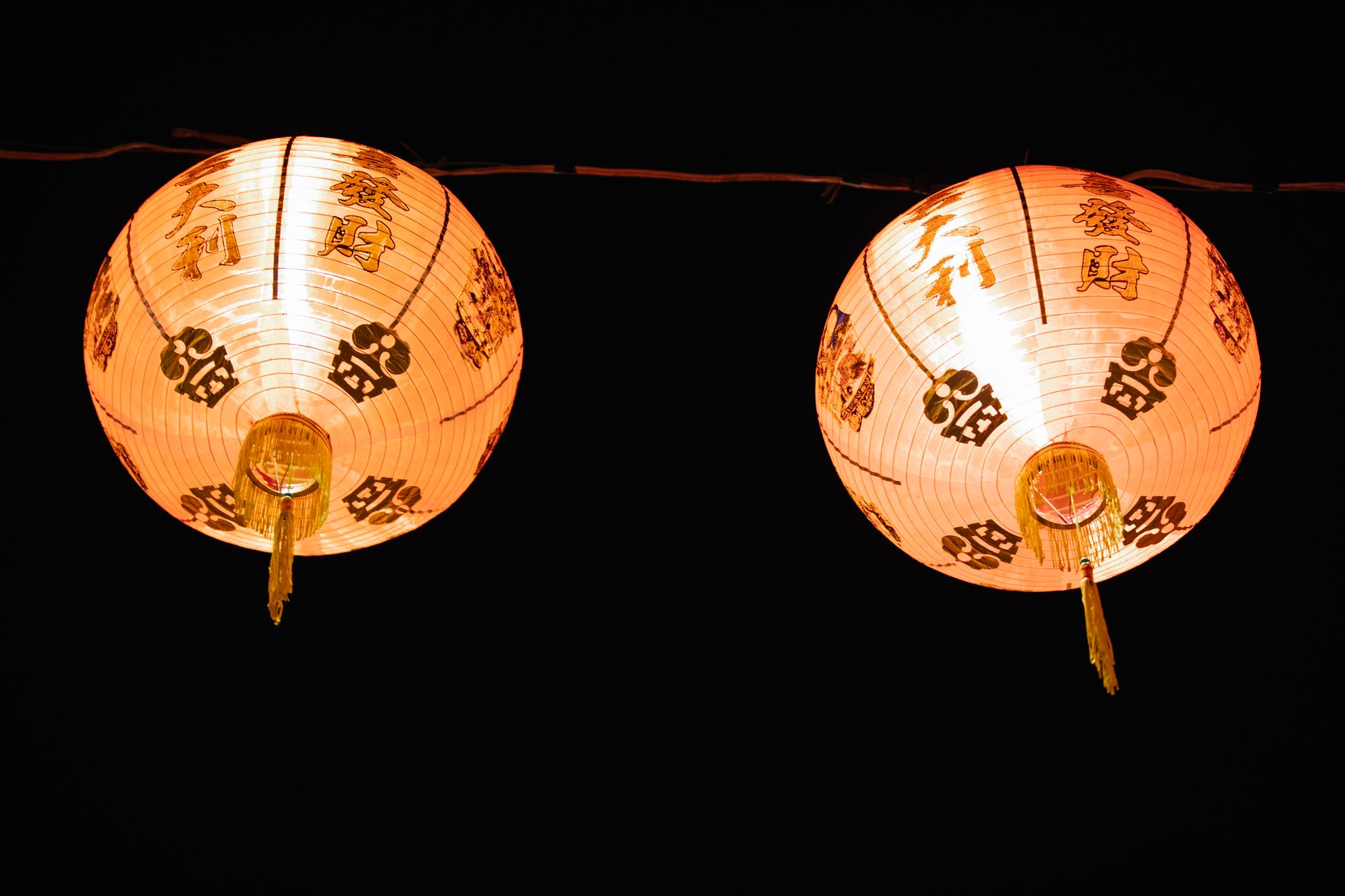 Chinese New Year lanterns in Yaowarat
Three days of street parades, red lanterns and hotel rates in Chinatown that double — how to actually experience the biggest Chinese New Year outside China.
The dates and the three-day rhythm
Chinese New Year falls on the new moon between January 21 and February 20, so the exact dates shift each year — 2026 lands on February 17. The Yaowarat celebration is not a single day but a three-day arc: New Year's Eve (family reunion dinner, temples fill from 9pm), New Year's Day (the big street parade and royal blessing, typically 3-9pm on Yaowarat Road), and Day Two (fireworks, dragon dances, and the food streets running until 2am). Bangkok's Chinese population is around 15% of the city, but Yaowarat concentrates the ancestral community and puts on the region's biggest celebration.
Thailand does not gazette CNY as a full public holiday — banks and government offices stay open — but businesses in Chinatown shut for the family dinner on eve, and traffic across the district is closed to cars from midday of Day One. The BTS and MRT run normal hours; the MRT Wat Mangkon station puts you 200m from the parade route. Come by transit, not taxi, because the road closures start earlier and extend further than the maps show, and a Grab dropoff on the wrong side of Charoen Krung means a 20-minute walk through crowds.
What happens where, hour by hour
Wat Mangkon Kamalawat (the biggest Chinese temple in Bangkok, on Charoen Krung near the MRT station) is the heart of the religious celebration. It fills with incense smoke and worshippers from about 9pm on New Year's Eve through the whole of Day One — expect an hour-long queue to enter on Day One morning, plus vendors selling gold-leaf offerings, oranges and joss paper along the entire block. Wat Traimit (the Golden Buddha temple, five minutes' walk east) hosts the royal presence when a member of the royal family attends, usually mid-afternoon on Day One.
Yaowarat Road itself is closed to traffic from noon Day One. Lion and dragon dance troupes work the length of it, stopping at every gold shop and business to receive red envelopes in exchange for a blessing — the shopkeepers hang lettuce and envelopes on poles for the lion to reach for. Fireworks and firecrackers go off at random intervals from 6pm to 2am; the noise is genuine and continuous, and anyone with anxiety around loud bangs should skip Yaowarat entirely for these two nights. Sampeng Lane and Soi Nana (Chinatown, not Sukhumvit's Soi Nana) run parallel food and craft markets.
What a room costs, and where to stay
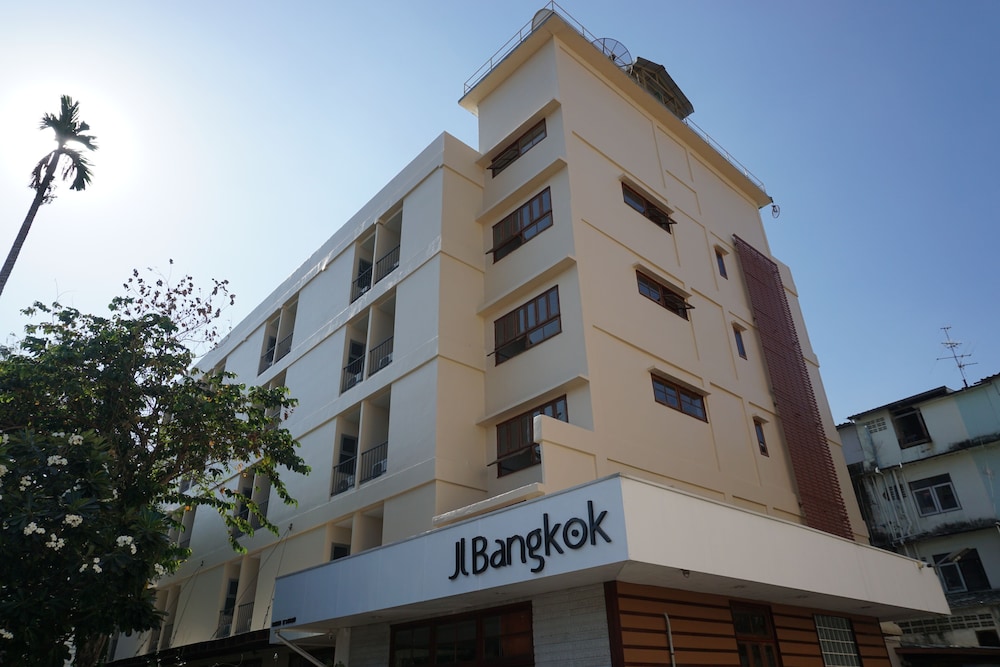
Chinatown hotels double their rates for the two peak nights. The Shanghai Mansion, the flagship boutique on Yaowarat, runs about $140 in low season and lists at $260-300 for CNY eve and Day One. Mid-range hotels on Charoen Krung go from $70 to $130-150. Budget guesthouses in Soi Nana Chinatown jump from $28 to $55-70. Everything sells out four to six weeks ahead, mostly to Chinese-Thai families from upcountry Thailand who return for the celebration and to overseas visitors booking specifically for the parade.
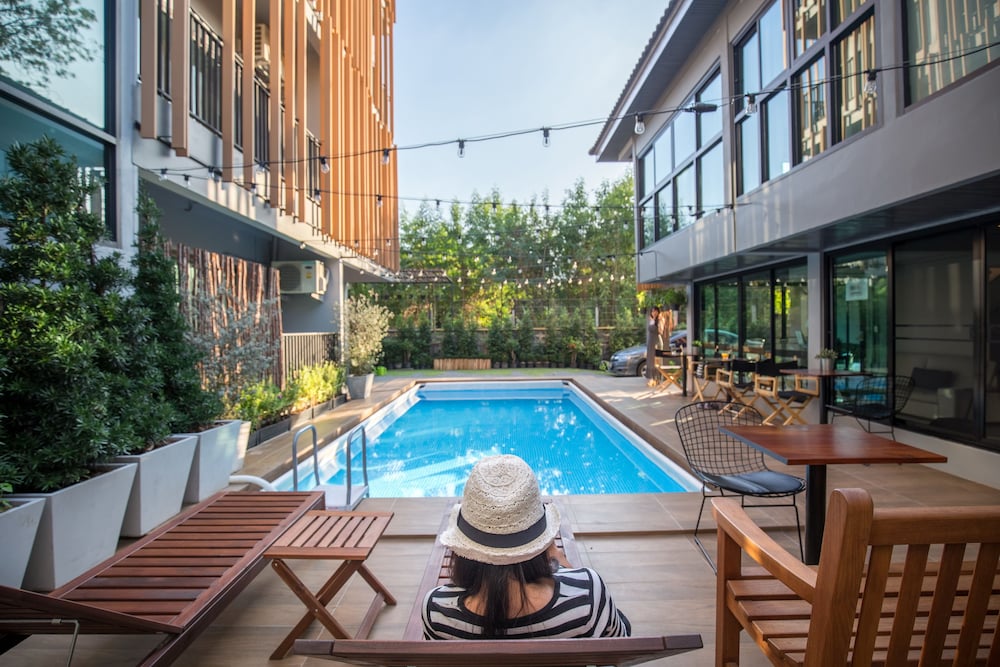
The cheaper play is to stay one MRT stop away in Hua Lamphong or Sam Yot, where rate rises are 20-30% rather than 100%. You are ten minutes' walk from Yaowarat on the parade nights and can retreat to a quieter street when the firecrackers get too much. Silom and Sathorn hotels (two MRT stops) barely move on price and give you full aircon insulation from the noise. If you want to see the parade but sleep, this is what to do — Yaowarat is unbearable to sleep in on the peak nights unless you booked a room with sealed windows and a courtyard view.
The food, which is the real draw
Yaowarat is Bangkok's densest street-food strip year-round and it goes into overdrive for CNY. The stalls that queue on any normal night — T&K Seafood (green shirts, open fire, whole prawns), Nai Ek Roll Noodle (kuay jab peppery pork soup), Guay Jub Ouan Pochana (the rival kuay jab place), the mango sticky rice cart outside the gold shops — all run extended hours and often longer queues. Add CNY-specific vendors: whole roast suckling pig sliced to order ($8-12 a portion), nian gao sticky rice cake, bird's-nest soup at the Chinese apothecaries.
Sit-down restaurants take reservations weeks ahead for the reunion dinner on New Year's Eve. Hua Seng Hong, Canton House and Chua Kim Heng all do full CNY set menus in the $30-60 per person range with shark's fin substitutes (real shark fin is increasingly avoided), abalone, fish for prosperity, and long-life noodles. Walking-around eating is easier and more atmospheric — budget $20-30 per person for a full evening of grazing across six or seven stalls, plus drinks from the beer carts that appear specifically for the festival.
The pre-CNY shopping week
The seven to ten days before CNY are almost more interesting than the festival itself, and hotel rates are still at normal levels. Sampeng Lane and Soi Wanit turn into a wholesale market for CNY goods — red lanterns, calligraphy scrolls, ancestor-worship supplies, plastic pineapples (prosperity symbol), lucky bamboo, and mountains of orange packaging for fruit gifts. Prices are 30-60% cheaper than at the tourist markets and half the stallholders are Chinese-Thai families who have been in the same location for four generations.
The gold shops along Yaowarat do their biggest business of the year in this window — Chinese-Thai custom is to buy a gold piece for New Year, and the shops keep their doors open until 10pm with queues out to the street. Even if you are not buying, walking the strip in the evenings of the week before CNY, with every shop lit up in red and gold and staff in traditional dress, is the best time to photograph Yaowarat. The actual festival nights are so crowded that photography beyond selfies is close to impossible.
The weather, which cooperates
February is the coolest and driest month in Bangkok — daytime highs of 89°F, nights down to 72°F, humidity manageable, rain almost non-existent. This is the weather that made Chinese New Year the tourist draw it is; walking Yaowarat for six hours in February evening cool is comfortable in a way it would not be in April. The trade-off is burning-season air quality (PM2.5 often 100-150 this week), which combined with the incense and firecracker smoke of the festival itself makes for a genuinely smoky night. Bring N95 masks if you are sensitive.
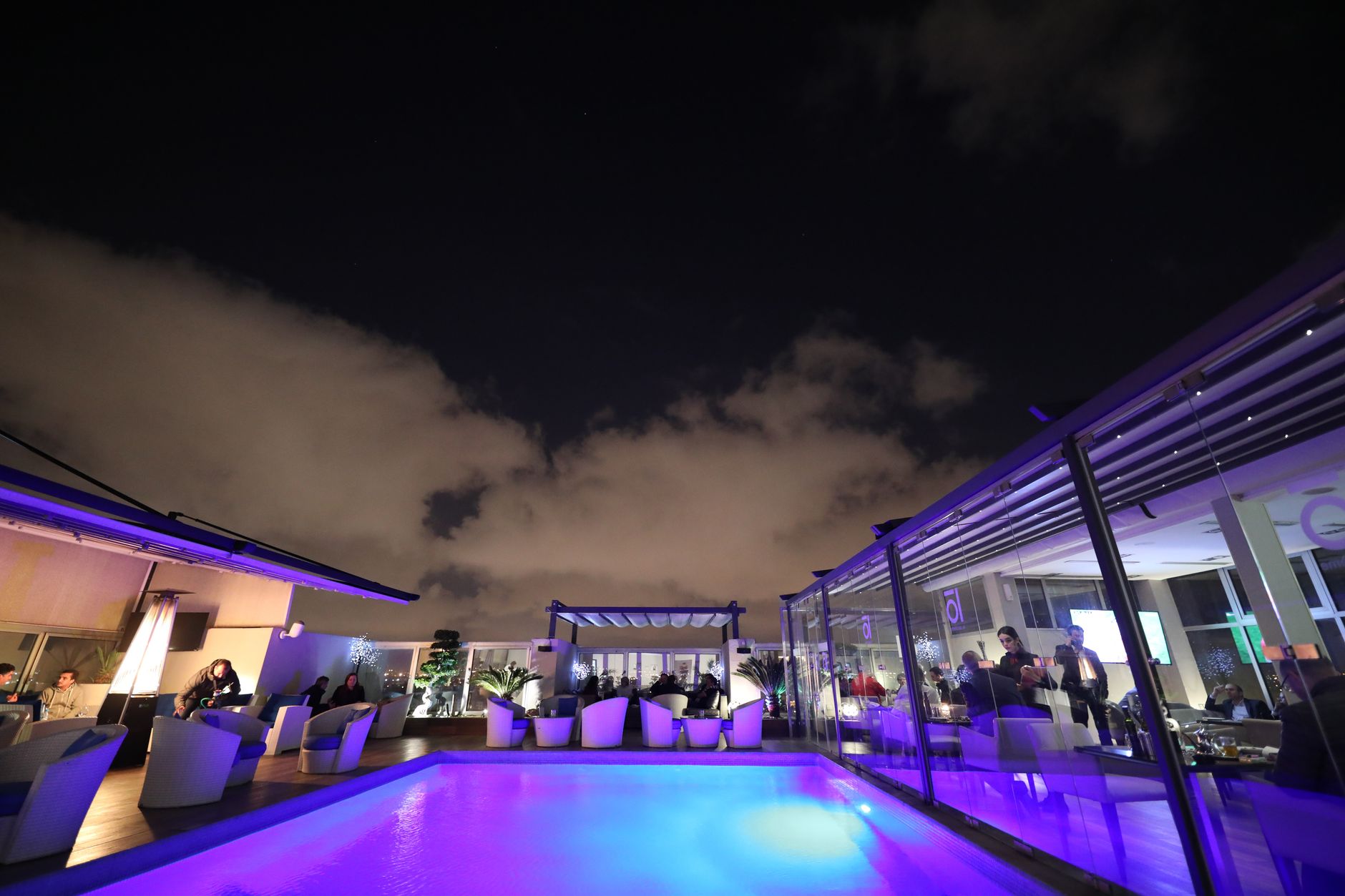
The moon phase matters for atmosphere — CNY is by definition a new moon, so the sky is at its darkest and the lanterns and fireworks show at their best. If you photograph the festival, this is a gift; if you want a moonlit rooftop-bar dinner on the same trip, book it for two or three nights before or after CNY. Weather forecasts are unusually reliable in February (no monsoon variability) so plan outdoor evenings with confidence.
What to skip and what to prioritise
Skip: booking a hotel actually on Yaowarat Road unless you specifically want to be inside the noise; taking a taxi or Grab into Chinatown on the two peak nights (walk from Wat Mangkon MRT or Hua Lamphong); the highly marketed CNY river cruises, which sell for $80-120 per person and give you fireworks from far away and a mediocre buffet; buying decorations on Day One (prices double and stock is picked over — go three days before). Skip going with young children after 8pm on the peak nights; the crowds are genuinely crushing and the firecrackers frighten kids and dogs alike.
Prioritise: arriving at Wat Mangkon by 5pm on Day One to see the temple in daylight before the crush; eating at 5-6pm before the food queues get long; walking Sampeng Lane on the afternoons of Days Two and Three when the wholesale action is at its peak; visiting Talat Kao (old market, morning of eve) for the food-shopping frenzy that has been happening in the same lanes for 150 years. If you have three days in Bangkok around CNY, spend two of them in and around Chinatown and one recovering by a hotel pool.
Before you book
What people ask before booking Bangkok.
Yes, if you want to see the festival — this is one of the world's great celebrations and the region's best CNY outside mainland China and Singapore. February weather is also Bangkok's best. But hotel rates are at annual peak and burning-season air quality is a factor. Book six weeks ahead minimum.
No. Food stalls have picture menus or numbered items, most vendors speak enough English or use calculators for prices, and the parade is entirely visual. Reservations at sit-down restaurants can be made through hotel concierge if you do not want to phone. Cash in small notes is more useful than English.
The commercial firecrackers set off by shops and temples are supervised and generally safe if you stand more than a few meters away. Amateur firecrackers thrown into crowds by teenagers do happen and cause occasional burns and hearing damage. Keep 20 feet from any obvious pile of firecrackers and do not stand under overhanging strings.