Bangkok during Chinese New Year: what actually happens and what shuts
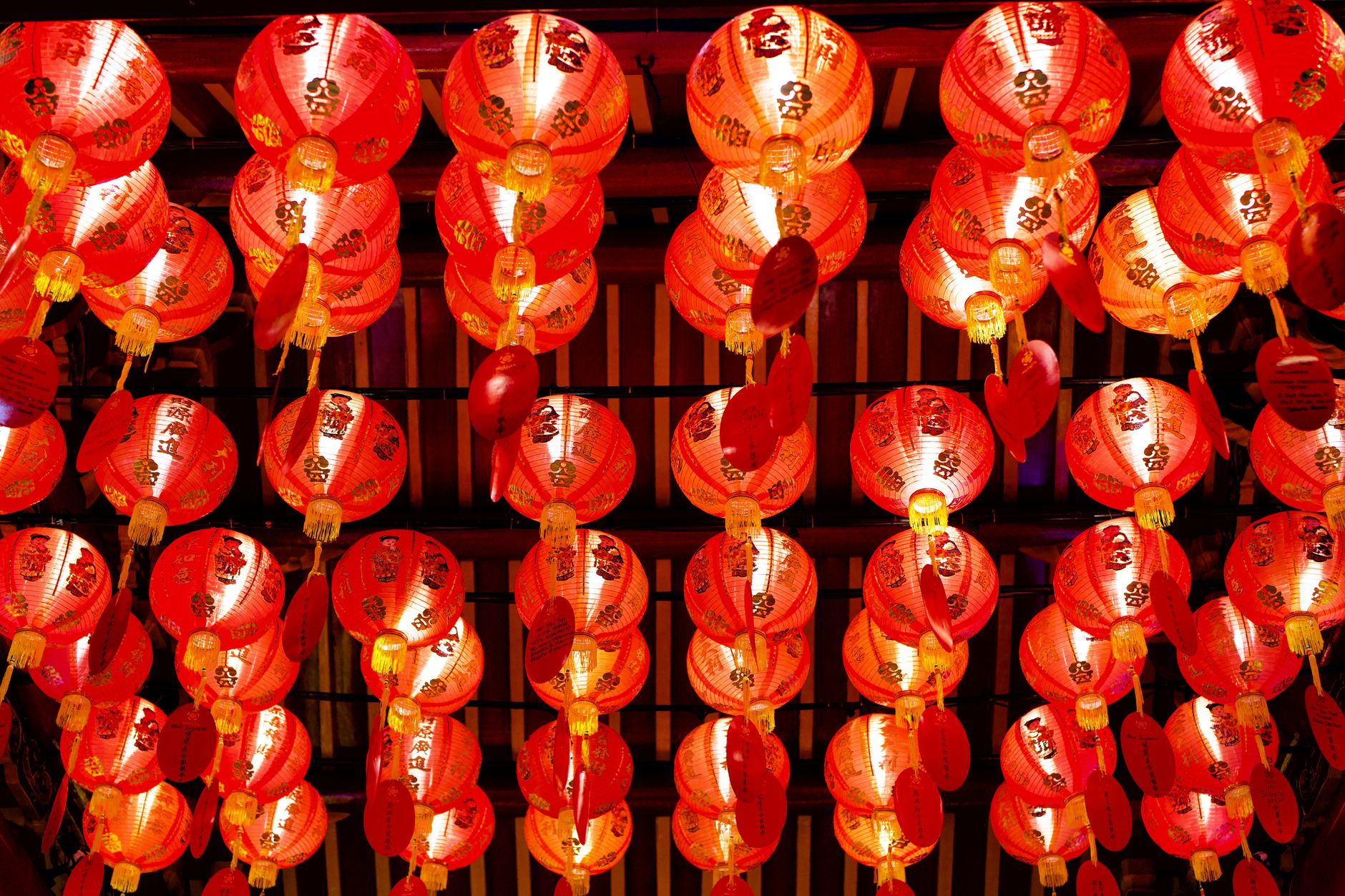 Red lanterns strung across Yaowarat Road during Chinese New Year
Yaowarat closes to traffic for two nights, hotel prices in Chinatown triple, and roughly 30% of family restaurants across the city shut for three days — here is how to plan around it.
When it happens and how big it actually is
Chinese New Year lands on a different date each year — 17 February in 2026, 5 February in 2027, 26 January in 2028 — and Bangkok marks it harder than most Southeast Asian capitals because Yaowarat (Chinatown) is a genuine, functioning Chinese-Thai district of about 300,000 people, not a tourist-only strip. The main celebrations run three days: New Year's Eve, New Year's Day, and the day after. Yaowarat Road itself closes to cars from roughly 4pm on the eve, and the road parties run until 1 or 2am both nights. Expect 200,000+ people on the street on the biggest evening.
Unlike Songkran, this is not a public holiday in Thailand, so the city keeps working. Banks open, the BTS runs full schedule, offices staff up. But Chinese-Thai family businesses — which is a huge share of Bangkok's small restaurants, gold shops, hardware stores and market stalls — shut for 2-3 days. If you were planning to eat at that specific noodle shop you loved on your last trip, check before you go. Some of the most famous Yaowarat street food stalls (T&K Seafood, the Michelin-listed Jay Fai a short walk away) do open but with hour-long queues.
Hotel prices: the Chinatown premium is real
Rooms inside Yaowarat and along Charoen Krung near the district triple in the four days around the festival. A guesthouse that lists at $30 asks $85-95; the Shanghai Mansion boutique goes from around $110 to $260-300; the riverside four-stars a 10-minute walk away hold firmer but still climb 40-60%. Book eight weeks out for anything in Chinatown itself, and expect three-night minimums with no cancellation. If you are here specifically for the festival, the premium is worth paying to be walking distance from the main drag — a taxi in on the eve is basically impossible from 5pm onwards.
Everywhere else in the city, prices barely move. Sukhumvit, Silom and Sathorn hotels charge normal high-season rates ($90-160 for four-star, $180-320 for five-star) which are already inflated because Chinese New Year sits inside the December-February peak. The smart move if you want to see the festival but not pay Chinatown rates is to book near a river pier (Sathorn, Bang Rak) and take the Chao Phraya Express to Ratchawong pier for the evening — $0.50 each way, 10 minutes on the water, and you avoid the taxi mess entirely on the way back too.
What to actually see over the three nights
The lion dances start mid-morning on New Year's Day and move gold shop to gold shop along Yaowarat and Charoen Krung — the shops pay the troupes to bless the business for the year ahead, and the dancers climb poles and eat lettuce heads hanging from doorways. Best viewing is 10am-1pm along the western half of Yaowarat. In the evening the road closes, food stalls double up, and the crowd builds from 6pm. Fireworks go off intermittently from 9pm onwards, mostly small-scale, launched from side sois with no cordon whatsoever — stay alert.
The temple to visit is Wat Mangkon Kamalawat on Charoen Krung, the largest Chinese Buddhist temple in the city. Queues to enter run 45-90 minutes on the eve and morning of New Year, but if you go the second afternoon it is calm and the incense haze in the main hall is worth the trip. There is often a royal visit on one of the mornings — check the Bangkok Post the week before, because if it is confirmed, a section of Yaowarat locks down from 6am and the parade route stays closed until early afternoon.
The food that only appears this week
Bangkok's Chinese-Thai cooking has festival-only dishes that show up nowhere else on the calendar. Look for pla nueng see-ew (whole steamed fish in soy, symbolising abundance), gaeng jued woon sen with pork balls at family reunion dinners, and — the reason to come — the seasonal pomelo, tangerine and pomegranate stalls that stack pyramids of orange fruit along Yaowarat for the auspicious colour. Vegetarian food (jay) explodes in availability during the nine-day period, marked with yellow flags on stalls, which is the easiest week of the year to eat vegan on the street.
Prices on Yaowarat itself climb 20-40% during the festival — a plate of pad see ew that costs $2 in a normal week runs $3, oyster omelettes at T&K jump from $8 to $11. Not a rip-off, just supply and demand at maximum. If you want the food without the surcharge, walk 10 minutes north into Talat Noi or south to Bang Rak, where the same cooks feed locals at normal prices. The best gold-lettered restaurants on the main drag — Nai Ek Roll Noodle, Odean Wonton — open but with two-hour waits both nights.
Getting in and out without losing two hours to traffic
Do not take a taxi to Yaowarat between 4pm and midnight on either of the main nights. It cannot be done in under 45 minutes from anywhere in the city and drivers will refuse the fare or demand $15-25 flat off-meter. Take the MRT Blue Line to Wat Mangkon station, which opened in 2019 and puts you at the western end of Yaowarat with a two-minute walk. Trains run every four minutes until midnight, and the return trip after the crowds thin (1-2am) is a 40-minute wait in the station rather than a 90-minute snarl on the road.
The Chao Phraya Express boat is the alternative and honestly the more atmospheric one. From any river hotel take the orange-flag boat to Ratchawong pier ($0.50, runs until 7:30pm) or the blue tourist boat which runs later ($5, until 9pm). Coming back after 8pm you either MRT it or walk 15 minutes to Hua Lamphong for a taxi from the station rank. Ride-share apps (Grab, Bolt) show 3-4x surge pricing on both nights and half the drivers cancel once they see the destination.
The days either side: quieter, cheaper, still festive
The three days before Chinese New Year (called Little New Year through to Reunion Eve) are the sleeper pick. Yaowarat is decorated — the red lanterns go up a week ahead, gold-and-red banners cover every shop front, and the pomelo pyramids appear — but the crowds have not arrived and hotel prices in Chinatown still sit at normal rates. You can eat at Jay Fai without a five-hour queue, walk the market lanes at your own pace, and photograph the decorations in decent light. Book these dates rather than the main event if atmosphere matters more than the party.
The two days after the eve are also quieter than you would expect, because most of the crowd is one-night visitors. Shops reopen on day three, the road is back to traffic but still decorated, and there is a second, smaller round of lion dances at temples across the city. Hotel rates drop back to normal on the fourth day. If your trip is 10+ days, split it: two nights in Chinatown before the festival for the calm version, then move to Sukhumvit or the river for the rest and come back for one evening of the actual chaos.
Before you book
What people ask before booking Bangkok.
No, not officially — banks, offices, government and schools stay open. But it is treated as a de facto holiday by the Chinese-Thai community, so many family-run restaurants, gold shops and market stalls close for 2-3 days. The city keeps functioning; specific businesses shut.
Chinatown if the festival is the main reason you came and you want to walk home at 1am — pay the tripled rate and accept the three-night minimum. Anywhere near a river pier (Sathorn, Bang Rak, Silom) if you want normal rates and don’t mind a 10-minute boat ride each way. Skip Sukhumvit — you’ll spend two hours in taxis.
Less polished, more street-level, and cheaper. Bangkok's Yaowarat still functions as a working district, so the festival happens on top of ordinary life rather than as a curated show. Fewer official events, no giant Cathay Pacific parade, but the food is better and you can afford to eat five times a night.
Both, and mostly the latter, which is part of the charm and part of the risk. There is no official municipal display. Shops and families set off strings of firecrackers and small aerial fireworks from the sois off Yaowarat all evening. Stay out of narrow side streets after 9pm and keep an eye on the ground for lit fuses.