Bangkok's cool season: what December and January actually deliver
 Sunny clear morning at Wat Arun during Bangkok cool season
Cool season means 30°C afternoons and 20°C nights, hotel rates at their annual peak of $150-320 for four-stars, and clear-sky rooftop views — but the trade-offs are the ones nobody warns you about.
How cool is 'cool', really
Bangkok's cool season is a marketing term more than a meteorological one. Daytime highs in December and January sit at 30-33°C, roughly 6-8°C cooler than April but still warm enough that a walking day through Rattanakosin has you drinking two litres of water. The genuine change is at night: temperatures drop to 20-24°C from mid-December through early February, and 2-3 nights a year — usually in the second week of January — dip to 17-18°C, which counts as freezing to Bangkokians and generates newspaper headlines. Humidity drops to 55-65% from monsoon's 85%, and this is what makes the season feel dramatically better than any wet month.
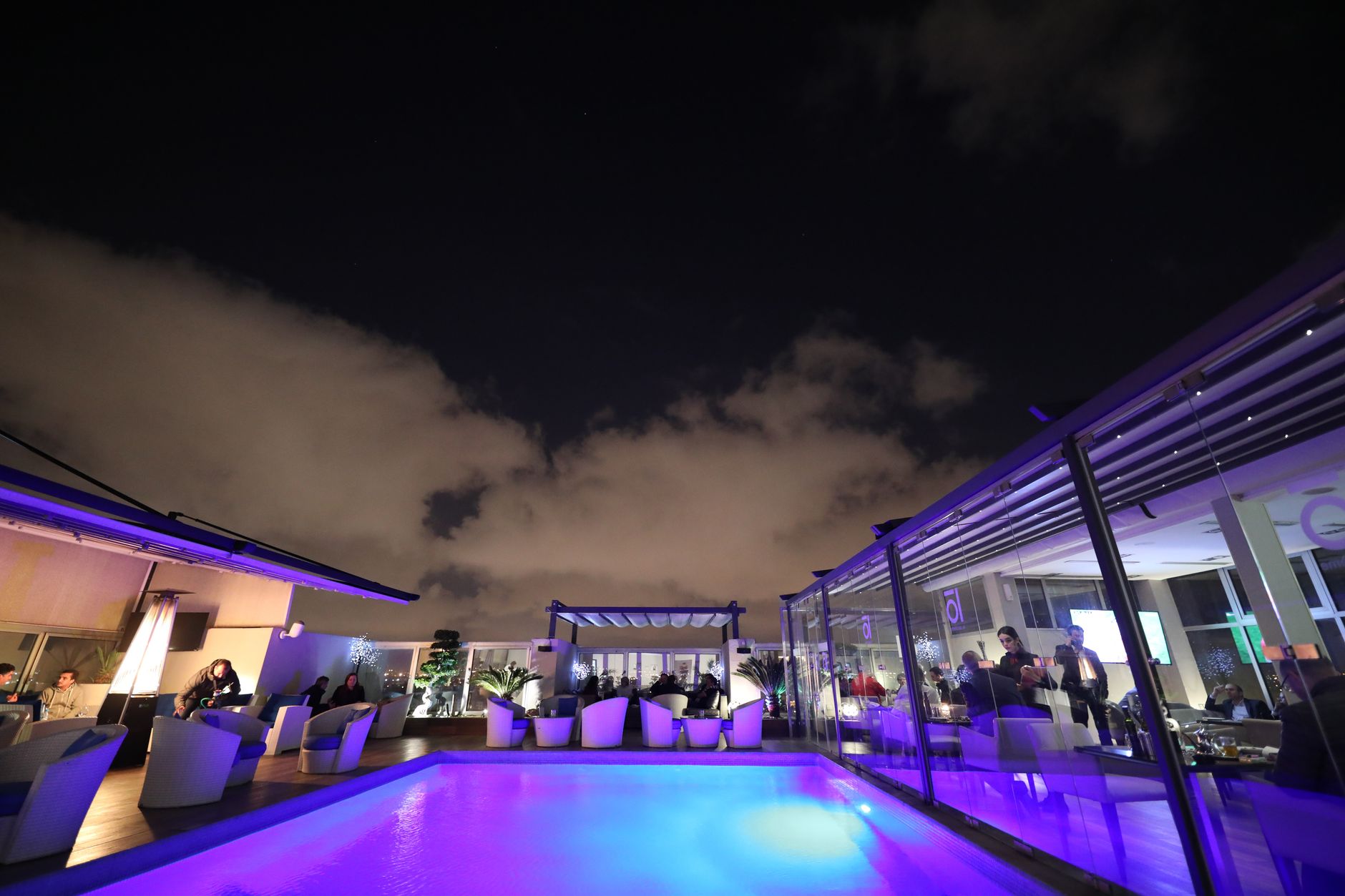
The practical effect is that you can do outdoor activities all day rather than in three narrow windows. Temple circuits, walking tours, boat trips, day trips to Ayutthaya — all work at 11am or 2pm in December in a way they simply do not in April or September. Rooftop bars stop being a battle with humidity and start being genuinely comfortable. This is why cool season is peak tourist season and why every hotel prices accordingly: December-February is the only period when Bangkok sells like Barcelona in June.
The peak-season hotel math
Hotel rates hit their annual ceiling from 20 December through 8 January (the Christmas-New Year peak) and then step down to a still-elevated high-season rate through mid-February. The Christmas-New Year window is the single most expensive block of the year: five-star riverside rooms hit $450-700, four-stars on Sukhumvit run $170-260, and the boutique properties in Silom and Sathorn ask $220-350. Anything with 'suite' in the name adds another 40%. Book by September or October for these dates; walk-in rates on 30 December are punishing.
Outside the Christmas week, cool season rates settle into a firmer high-season band: four-star Sukhumvit at $140-190, five-star riverside at $280-420, budget guesthouses in the Old City at $35-55. These are 60-100% above monsoon-season rates for the same rooms. The compensating factor is that supply is at its widest — every hotel is open, every restaurant runs full hours, every rooftop is functional, and the Chao Phraya cruise operators run all their evening slots. If money matters more than weather, monsoon; if weather matters more, book cool season by early October.
The northern haze arrives earlier than you think
The narrative is that Bangkok's air is good in cool season and bad in the hot pre-monsoon months. The reality is that the burning-season haze from the north — agricultural fires in Thailand, Myanmar and Laos — starts affecting Bangkok in late January in most years, not April. Readings creep up through February and hit peaks in March. In the second half of January you can already have days when the skyline turns brown and rooftop bar views vanish above the 15th floor. This is one of the honest catches of the season that guidebook copy tends to skip.
December and the first half of January are genuinely the best-air months, with PM2.5 typically 20-40 µg/m³ — well within moderate range. If clear rooftop views and photography are the point of your trip, book these three weeks. If you have flexibility and are choosing between mid-January and late February for a cool-season trip, mid-January wins on both air and temperature. Late February can already have 34-36°C afternoons and 100+ µg/m³ readings, which is functionally the start of hot-and-hazy season by any honest measure.
New Year's Eve: the countdown venues
Bangkok's New Year's Eve is a genuine event, not a token one. The two anchor countdowns are at CentralWorld in Ratchaprasong, where 200,000-300,000 people pack into the square for the fireworks display at midnight, and at Iconsiam, where a river-fired fireworks show reflects off the Chao Phraya for kilometres in both directions. Both are free to attend at street level. Getting to CentralWorld by 10pm is essential — the streets around it lock down and taxis stop entering the zone by 8pm. The BTS runs extended service to 2am on 31 December.
Hotel packages on 31 December range from $180 all-in with dinner and drinks at mid-range Sukhumvit properties to $600-1,200 for the riverside five-stars with full countdown dinner service. Rooftop bars book out completely — Vertigo at Banyan Tree, Sirocco, Above Eleven, Char at Hotel Indigo all run New Year's Eve tickets ($120-280 per head) that sell out in November. If the countdown is the point of your trip, book the venue first, then find a hotel walking distance from it. Trying to move across the city by taxi at 11:30pm on 31 December is not a solvable problem.
What is actually open that closes in other seasons
Cool season is when Bangkok's outdoor food and market scene runs at full strength. The night markets — Jodd Fairs Rama 9, Jodd Fairs Dan Neramit, the Ratchada train market where it still runs — all operate on full schedules with maximum stall counts. Chatuchak weekend market feels navigable because although the crowds are dense, the temperature is bearable. Rooftop restaurants that struggle in monsoon (the fully open-air ones without awnings) all take reservations for full-length dinners. The Chao Phraya river dinner cruises run four departures per night instead of the low-season two.
Two things worth knowing about closures: the Grand Palace shuts sections around New Year for royal ceremonies (usually 30 December to 2 January afternoon closures on some halls), and Wat Arun's tower closes for maintenance in a two-week block that shifts year to year but often lands in early February. Check both official sites before locking your itinerary. Small family restaurants also close for 3-5 days around Chinese New Year in late January or February, though the big-name spots stay open. Beyond these specific windows, cool season is when the widest possible slate of Bangkok is available at once.
The events calendar in cool season
Cool season is stacked with events. December brings the Bangkok Design Week (usually last week of January into February, sometimes December), the Vespa community rallies, and outdoor cinema screenings in the parks. New Year at Sanam Luang runs a huge free concert. January has the Umbrella Festival in Chiang Mai (worth a side trip) and the Chinese New Year lead-up in Yaowarat. February brings the Chinese New Year main event and Makha Bucha (a Buddhist full-moon day when temples light candles in the evening). The King's birthday on 5 December is a major public holiday with flag displays across the city and a mass alms ceremony at Sanam Luang.
Sports and outdoor events also cluster here. The Bangkok Marathon runs in November-December, drawing 30,000 runners. Tennis tournaments at Rajamangala. Muay Thai stadium schedules pack out at Lumpinee and Rajadamnern with the biggest fight cards of the year. If your interest is a specific cultural event rather than general sightseeing, cool season is when the calendar delivers, but rooms near the venue on the night will be scarce — book with the event date in mind, not just the general week.
Should you actually pay peak-season rates?
The straightforward case for cool season: if this is a once-a-trip visit to Bangkok, book December or early January. The weather makes 60% more of the city usable per day than monsoon does, the rooftops actually deliver the views the marketing promises, and the event calendar means something is happening every night. The premium over monsoon is real ($50-100 per night on the same room) but so is the increase in usable trip hours. Two weeks in cool season delivers more experience than two weeks in September even with the same itinerary.
The case against: if you have been to Bangkok before and are back for specific things (food, spas, shopping) rather than sightseeing, November or February give you 90% of the weather benefit at 70% of the peak rate. If it is a second or third trip, skip the Christmas-New Year window entirely — the crowds at Wat Pho on 28 December are worse than at any other point in the year, and you gain little by paying $700 for a room that costs $220 six weeks later. Cool season is not one price; it is three prices stacked, and the sweet spot for repeat visitors is the second half of November or the last week of February.
Before you book
What people ask before booking Bangkok.
No. The coldest recorded night in central Bangkok in the last decade was 15°C, which is a t-shirt evening for anyone from a temperate climate. A light long-sleeve or thin jacket is enough for the coolest January nights on a rooftop or a river cruise. Locals wear puffer jackets when it drops to 20°C, which is the actual acclimatisation gap you will notice.
No — Thailand is a Buddhist country and Christmas is not a public holiday. Malls, restaurants, temples, transport all run normal hours on 25 December. The date matters only because it is inside the international tourist peak, so hotel rates and crowds are at their maximum. New Year's Day (1 January) is a public holiday and banks close, but hospitality runs normally.
It is transitional and unpredictable. Some years February stays cool to the end; others it hits 35°C by 20 February and haze rolls in from the north. Hotel rates step down noticeably in the second half of February, which reflects the weather risk. Booking late February is a reasonable value trade if you are happy to accept it might feel like early hot season rather than late cool season.
December for slightly better air and the Christmas-New Year event energy; January for slightly cooler nights and lower rates after the 8th once the peak window ends. If you can travel 10-25 January specifically, that is my pick — best air of the year, coolest nights, prices $40-70 below Christmas week on the same rooms, and every venue running full schedule.