First-timer's mistakes to avoid in Bangkok
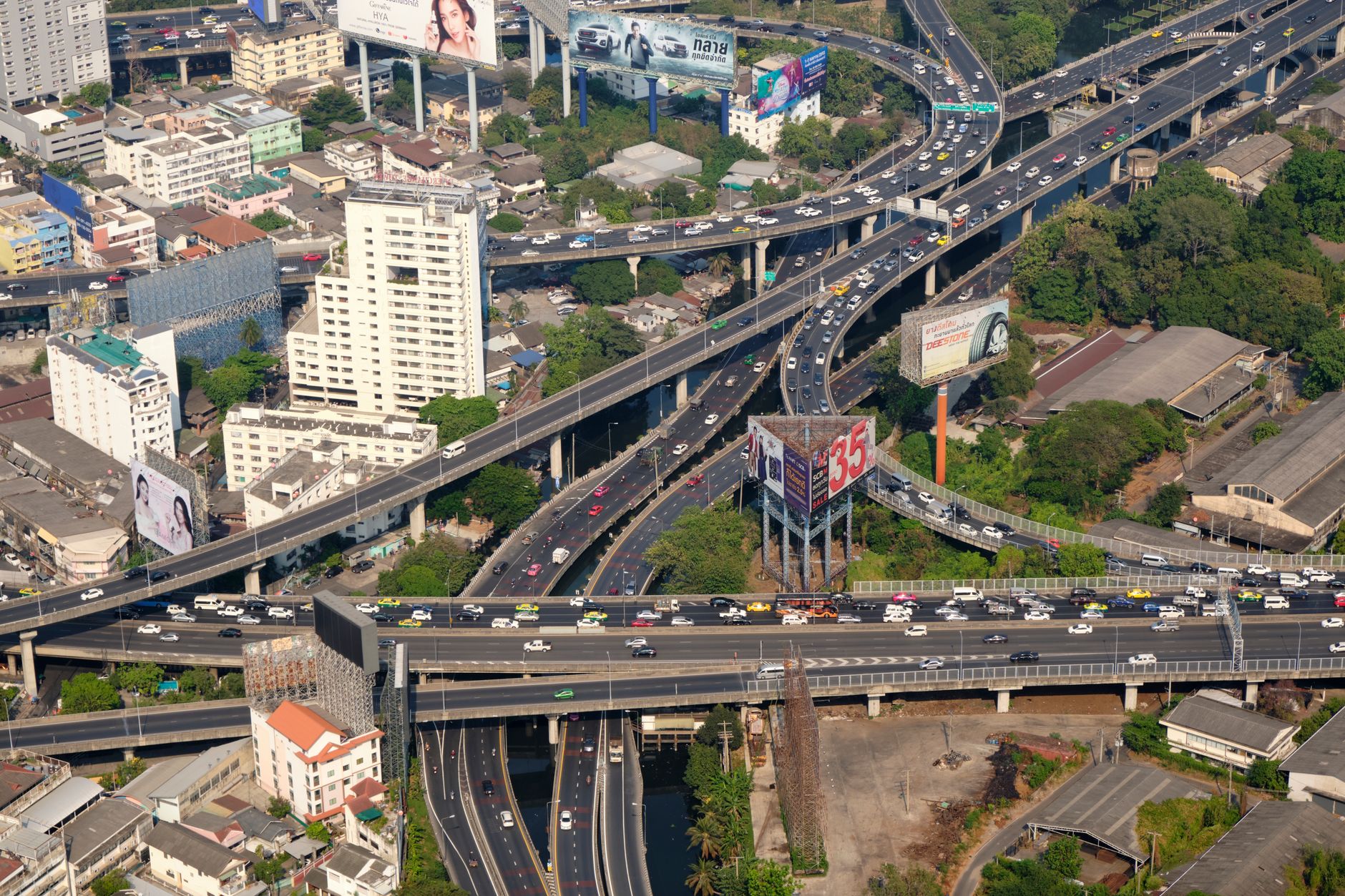 Tourist looking overwhelmed at a busy Bangkok intersection
The 8 errors that eat the most time, money and goodwill in a first Bangkok trip, ranked by how often visitors actually make them.
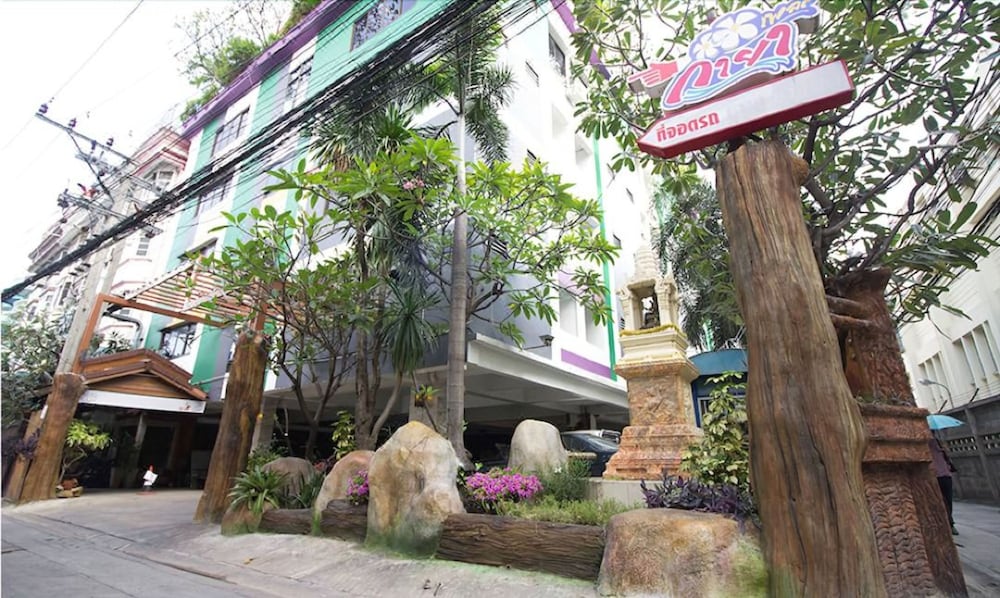
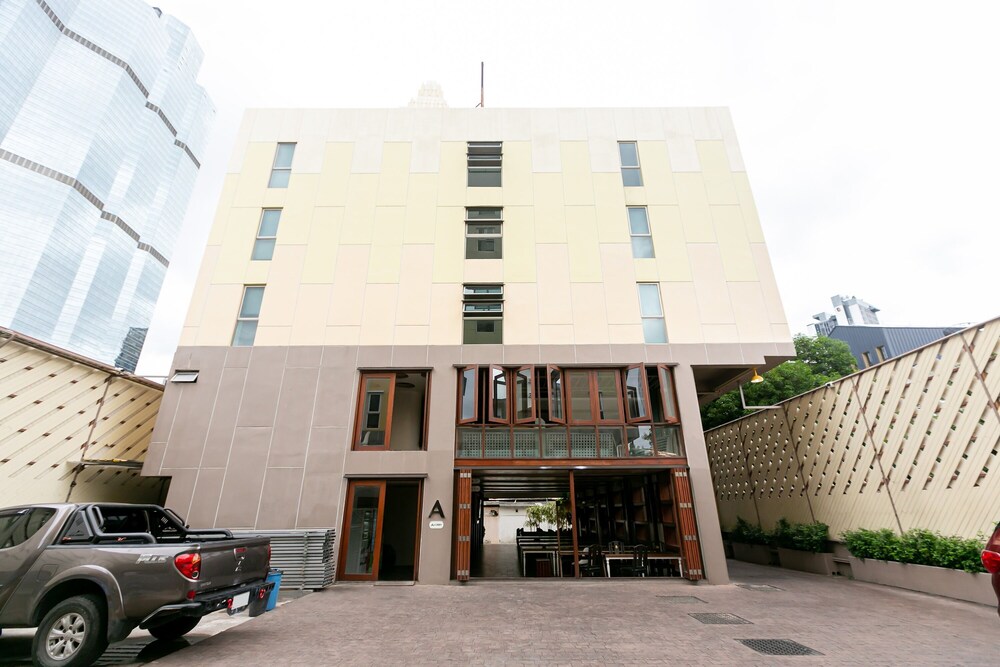
Booking a hotel far from a BTS or MRT station
The single biggest structural mistake first-timers make is picking a hotel that photographs beautifully but sits 1.5km from the nearest train station, which in Bangkok's heat and traffic is 25 minutes of misery each way. Sathorn, Sukhumvit (between Nana and Ekkamai), Silom, Siam and Ari have dense BTS coverage and are the low-friction choices. Areas like Ari-adjacent lanes, deep Thonglor, and anywhere in Thonburi look cheap on the booking sites for a reason.
The 500-metre rule: if the hotel is more than 500 metres from a BTS or MRT exit, add $8 a day for taxis and Grabs to your budget, or accept that you will walk in 34°C humidity twice a day. The Old City and Khao San are a separate case — they have no train and everybody staying there uses tuk-tuks and taxis. That is fine if you chose it deliberately; it is a disaster if you assumed the train system covered the whole city. It does not.
Trying to see the Grand Palace on a Sunday afternoon
The Grand Palace, Wat Pho and Wat Arun open at 8.30am and are best done between 8.30 and 10.30am, before the heat becomes unmanageable and the tour buses arrive from every hotel in Sukhumvit. Sunday afternoons are the worst possible slot — the crowd is 4-5 deep at every photograph point and the outdoor sections hit 38°C on a paved surface. Tuesdays and Wednesdays are the quietest. Never a Monday if you were counting on the National Museum being open, because it isn’t.
The related mistake is trying to do all three temples in one day plus a river cruise plus Chinatown at night. It is physically possible and it will ruin the second day of your trip. Do the Grand Palace and Wat Pho in a morning, break for lunch and air-conditioning until 3pm, and take the cross-river ferry to Wat Arun for late afternoon light. That is one full day. Chinatown deserves its own evening. A river cruise is a separate thing again.
Believing anyone who says something is closed today
'The Grand Palace is closed for a Buddhist ceremony today, but I know a special temple.' This exact sentence has been the opening line of the same tuk-tuk scam for thirty years, and it is delivered by well-dressed English-speaking men who approach tourists outside every major temple. The Grand Palace is not closed. Wat Pho is not closed. The 'special temple' is a jewellery showroom or a tailor's shop where the driver collects a commission on whatever you buy.
The counter-move: check opening hours on the official websites the night before, and treat any stranger who volunteers travel information near a tourist site as suspect by default. Real information comes from your hotel front desk, from Google Maps, or from the ticket window itself. If someone offers to guide you to a better attraction, walk away. If they offer a 20-baht tuk-tuk tour of five temples, definitely walk away. The price is a giveaway — nobody works for $0.60 a customer.
Underestimating the heat and drinking too little water
Bangkok in March-May hits 36-40°C daily, and even November-February sits at 30-33°C by early afternoon. A first-timer walking Chatuchak Market from 11am to 3pm in short sleeves without regular water breaks is heading for a mild heat exhaustion by 2pm — nausea, headache, the trip written off for the rest of the day. Locals plan around this: outdoor stuff before 11am and after 4pm, air-conditioned stuff (malls, museums, spas, temples with indoor sections) in the middle.
The water math: drink roughly 500ml per hour outdoors, more if you are walking. 7-Eleven sells cold 600ml bottles for about $0.40 on nearly every corner. Do not drink the tap water — bottled or filtered only. Coconut water from a street cart ($1-1.50) is a genuinely good electrolyte replacement and tastes better than the sports drinks in the fridge. If you feel a headache or dizzy, sit down in air-conditioning immediately; pushing through is the mistake that costs you tomorrow.
Over-planning the itinerary and under-planning the meals
The classic tourist itinerary is a spreadsheet of temples, markets and viewpoints with meals scheduled as 'lunch: somewhere near the Grand Palace'. The reality is that Bangkok's best meals happen at 30 specific vendors and small restaurants, most of which have short hours or serve out by 2pm, and 'somewhere near the Grand Palace' is a food court in a tourist mall serving mediocre pad thai for $8. Meals are the trip. Plan them like sights.
The fix: for each half-day, pick one specific place to eat and route the sightseeing around it. Jay Fai for boat noodles or crab omelette (book weeks ahead), Thipsamai for pad thai (queue by 5.30pm), Nai Mong Hoi Tod for oyster omelette in Chinatown, Krua Apsorn for Thai royal cuisine near the Old City, Raan Jay Fai for a splurge. Book what needs booking, queue what needs queuing, and stop treating food as the thing that happens between temples.
Buying the 'silk suit in 24 hours' from a tuk-tuk stop
Bangkok has genuinely good tailors, and they are not the ones you get taken to by a smiling stranger. The commission tailors in Sukhumvit's tourist strips and the ones tuk-tuk drivers deliver you to charge $200-400 for a suit that a decent tailor charges $600-900 for, and the difference is real cloth, real fittings and real construction. A 24-hour turnaround on a bespoke suit is not bespoke — it is a pre-made body with your measurements pinned in.
If you want a suit made, budget three fittings over 5-7 days, ask your hotel concierge for a shop that has been around for 20+ years, and expect to spend $600-1,200 for something wearable back home. Or do not buy a suit at all — the 'incredibly cheap Thai suit' is a category that consistently disappoints, and the same money spent on a Muji or Uniqlo replacement wardrobe would serve most travellers better. Same math applies to leather shoes made overnight in Sukhumvit.
Skipping travel insurance because it looks fine
Motorbike taxi injuries, food poisoning severe enough for a drip, dengue fever from a mosquito bite in an old neighbourhood, and dermatology issues from prickly heat are the four hospital visits that happen most often to tourists, and Bangkok's private hospitals (Bumrungrad, Samitivej, BNH) are excellent but not cheap. A drip and a night in a private room runs $400-800. A motorbike accident with a broken wrist runs $2,000-5,000. Travel insurance costs $30-80 for a fortnight.
The specific coverage to check: motorbike and scooter cover (many policies exclude it unless you have a valid motorcycle licence from home), medical evacuation, and repatriation. If you plan to rent a scooter in Pattaya or on a side trip to an island, get a policy that explicitly covers it. If you are going nowhere near a motorbike, standard cover is fine. Either way, book it before you leave home — buying it after you land is legally awkward, and some insurers refuse.
Assuming English is spoken and getting frustrated when it isn’t
English coverage in Bangkok is high in tourist zones (Sukhumvit, Silom, Siam, Khao San) and low everywhere else. Hotel receptionists, mall staff, chain restaurant servers and BTS staff speak enough to get you through. Taxi drivers, street food vendors, songthaew drivers, most small-shop staff and about half of Grab drivers speak very little. Getting angry about this is the fastest way to make an interaction go badly. Getting resourceful is the way to make it go fine.
The tools: Google Translate with the offline Thai pack downloaded, Google Maps set to show place names in both Thai and English, a screenshot of your hotel's address written in Thai on your phone's lock screen, and the habit of pointing at the menu picture rather than pronouncing the dish. 'Nee' (this one) and pointing gets you 80% of the way through a street food order. 'Aroy' (delicious), 'khop khun' (thank you) and 'mai phet' (not spicy) round it out. Nobody expects you to speak Thai; everyone appreciates the effort.
Before you book
What people ask before booking Bangkok.
Four full days is the honest minimum: one for the Old City temples, one for markets and Chinatown, one for modern Bangkok (malls, Lumpini, a rooftop, Chatuchak on a weekend), and one buffer for a day trip to Ayutthaya or a slow day when the heat wins. Three days works if you skip the day trip; five is more comfortable.
Day trip. Ayutthaya is 80km north and 90 minutes by train or minivan, the ruins can be covered in 5-6 hours, and there is not enough in the town itself to justify an overnight for most travellers. Leave Bangkok by 7am, be back by 8pm, and sleep in your Bangkok hotel.
For an hour, yes, at around 9-10pm, to see what the fuss is about and to eat a scorpion on a stick if you must. As a place to stay or as a night out, it depends entirely on your taste for loud bars, backpacker crowds and $2 buckets. Nearby Rambuttri is the calmer, more interesting street 200 metres away.
Most Western passports (US, UK, EU, Canada, Australia, NZ) get 60 days visa-free on arrival as of the 2024 policy update. Check the current rules with the Thai embassy before you fly — visa policies change, and airline check-in staff will refuse boarding without proof of onward travel within your allowed stay.