Bangkok in monsoon: what a rainy week actually looks like
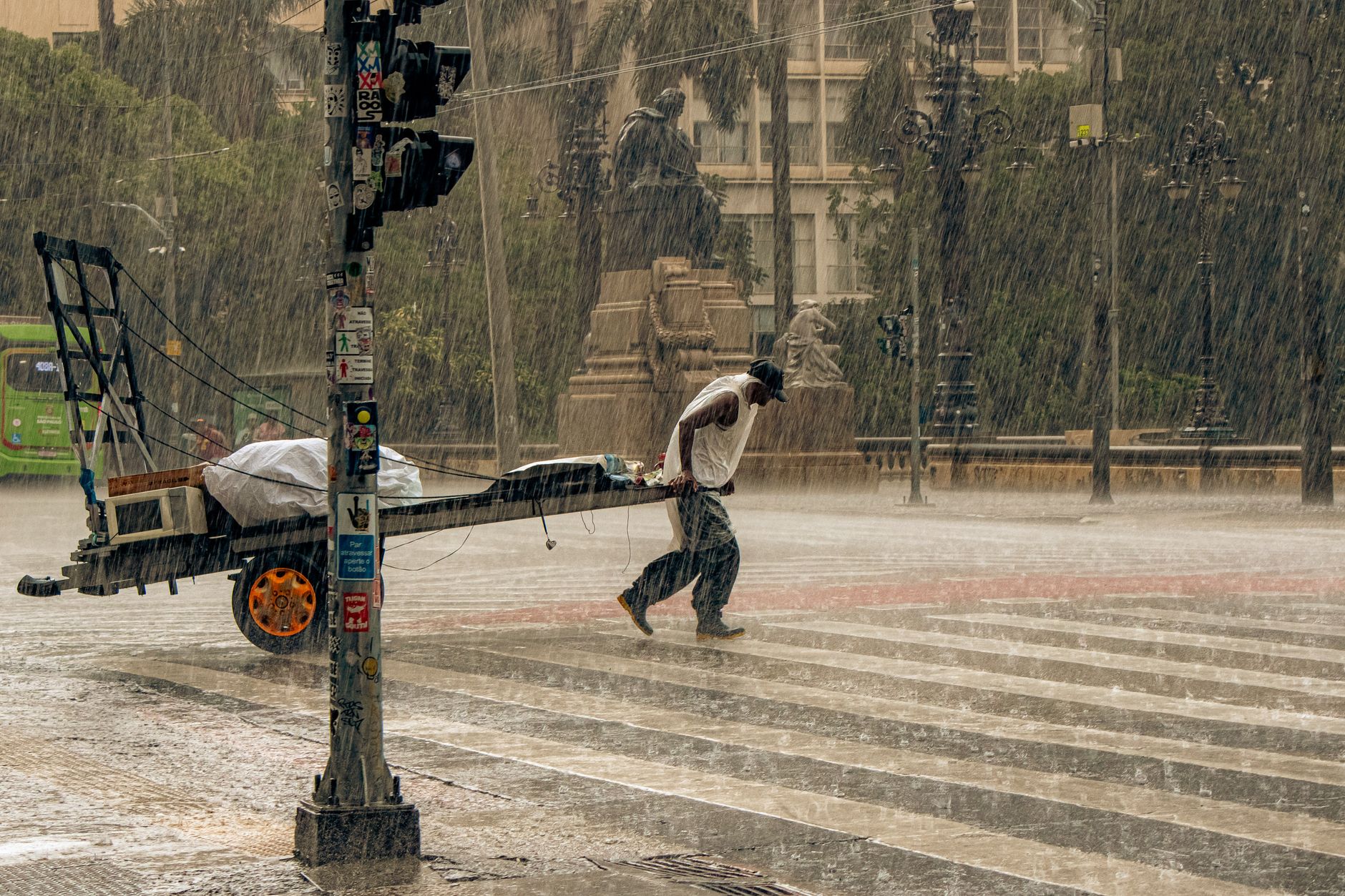 Heavy rain flooding a Bangkok street during afternoon monsoon downpour
The rain falls hard for 40-90 minutes then stops, floods four intersections you can name, and knocks 30-50% off hotel prices — which is why the monsoon is the sharpest deal in the calendar if you plan around water.
The shape of a monsoon day
Bangkok's rainy season runs from late May to mid-October, peaking in September when the monthly rainfall averages 344mm across roughly 20 wet days. But 'rainy season' is misleading — it does not rain all day. The pattern is a hot, bright, humid morning (30-33°C, sun out), clouds building through midday, and a hard downpour that starts anywhere between 2pm and 5pm and lasts 40-90 minutes. Then it stops. Evenings are often clear and 27°C, which is the most pleasant weather Bangkok gets all year. The failure mode is planning outdoor activities in the exact three-hour window when the rain hits.
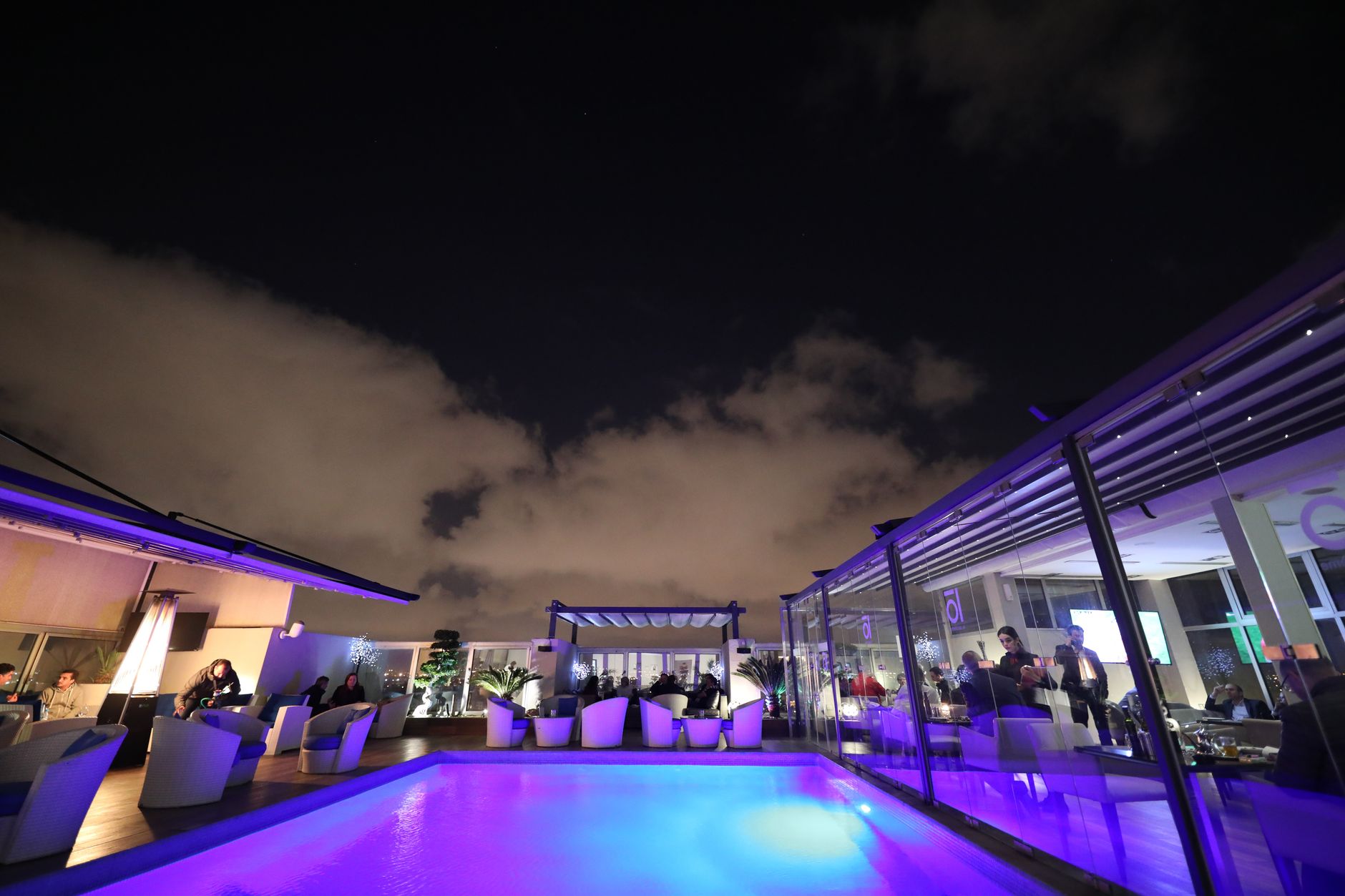
You will get wet on some days regardless of planning — the storms occasionally start at 10am or roll in twice — and the humidity between showers sits at 80-90%, which is heavier air than April despite the lower temperature. Plan every afternoon around a 3-6pm indoor block: lunch, a spa, a museum, a mall, a long coffee. Evenings open up again from 6:30pm. Rooftop bars are a gamble in July-September; the covered ones (Vertigo at Banyan Tree has partial cover, Above Eleven has a retractable roof) are worth the small premium.
The four intersections that flood every year
Bangkok's drainage cannot handle the peak downpours in September and early October, and the same four spots flood every year: the low point on Sukhumvit around Soi 39-49 (Phrom Phong to Thonglor), the underpass at Asok, the Silom-Rama IV junction, and Ratchadamri around the CentralWorld area. Water reaches 20-40cm within 30 minutes of a heavy start and takes 2-3 hours to drain. Taxis and tuk-tuks refuse to enter these zones; motorbike taxis charge triple to wade through them. If you are staying in Thonglor or Ekkamai and the sky turns black at 3pm, get home before it starts or wait it out at a mall.
The BTS Skytrain is your monsoon lifeline. It runs above the flooding, on time, dry inside, and every major junction you would want to reach has a station. Copy the local move: buy a Rabbit Card, ride the BTS between neighbourhoods rather than crossing town by taxi, and only take taxis for the last kilometre. Where the BTS does not reach — Chinatown, the Old City, the river — use the MRT (also elevated where it counts) or the Chao Phraya Express boats, which run regardless of rain because they are already on water. Ferries dodge the traffic entirely.
Hotel prices in July, August and September
Monsoon is Bangkok's second low season after May, and hotels price accordingly. Four-star Sukhumvit properties that ask $130-170 in December list at $75-105 in July-August, often with breakfast and a spa credit thrown in to sweeten the booking. Five-star riverside hotels — the Mandarin Oriental, Peninsula, Shangri-La bracket — drop from $380-500 to $220-320. Bookable upgrades appear: a $200 room comes back as a club floor at $260 because the club floor is 40% empty. The catch is nothing else: the buffets, spas, pools and rooftops are all open and staffed at winter levels.
Domestic pricing shifts too. Weekend rates in Kanchanaburi, Khao Yai and Hua Hin sit at their annual lows in August, which is when local families skip the coast and Bangkok hotels pick up the slack with weekend staycation deals. If your trip crosses a Saturday, look for the Sunday-through-Thursday rates that some four-stars publish — a Sathorn hotel I know runs $89 on those nights and $145 on Fridays and Saturdays. Book direct off the hotel's own site during monsoon; the flexible cancellation and free room upgrade policies are more generous than the third-party rates.
What stays open and what genuinely closes
Almost everything you would visit stays open in monsoon. The Grand Palace, Wat Pho and Wat Arun keep normal hours; Chatuchak weekend market runs but with waterproof tarps rigged over the covered sections and cash-only rules where the card machines have got damp. Rooftop bars stay open through light rain and shut for heavy storms — call ahead after 4pm if it looks bad. What does close reliably is the outdoor stuff: the Erawan Museum gardens shut when it pours, the Bang Krachao bike rentals stop taking new customers by 3pm on stormy days, and outdoor floating markets (Amphawa, Damnoen Saduak) become miserable when the paddle boats are half full of water.
Day trips need rethinking. Ayutthaya's ruins are open and photogenic in light rain, but you will be soaked and the bicycles get skittish on wet stone paths — hire a tuk-tuk driver for the day instead ($20-25 for four hours). Kanchanaburi is trickier because the Erawan waterfalls run brown and dangerous in heavy rain, and the trails close above tier three. Pattaya's beach is grey and the sea is choppy but the rest of the town functions. Khao Yai national park stays open but the waterfalls are stunning at full flow, which is the argument for going in monsoon rather than against.
What to pack that actually works
Umbrella first: buy a folding one from any 7-Eleven for $3 the moment you arrive. Bringing one from home is fine but you will lose it in three days. Umbrellas beat ponchos in Bangkok because the rain is vertical, not driven — a poncho traps your own sweat and you end up wetter inside than out. Waterproof shoes are the surprise win. Rubber sandals or Crocs, unfashionable but functional, dry in 20 minutes and let you wade through 15cm of street flood without ruining the pair of trainers you brought. Two pairs so one dries overnight.
For the phone and passport, a resealable ziplock bag in your day pack is enough — you do not need a specialist dry bag. Pack lighter clothes than you think, because nothing dries overnight in 85% humidity even with the aircon cranked. Book a hotel with a decent laundry service (most charge $2-4 per kilo, done same day) rather than trying to hand-wash in the sink. And one merino wool t-shirt is worth three cotton ones: rinse it in the shower, hang it up, wear it 12 hours later, and it does not smell.
The festivals in the wet months
Two dates in the monsoon calendar are worth planning around. Asalha Puja and the start of Buddhist Lent (Khao Phansa) fall in July on the full moon, and every major temple holds candle processions on the eve — Wat Bowonniwet, Wat Saket and Wat Pho all run beautiful evening ceremonies where hundreds of candles float around the main hall. Free to attend, quiet, and mostly ignored by tourists. Book a hotel walking distance from the Old City for these two nights: the Chao Phraya-side properties in Banglamphu at $60-90 are ideal.
The Queen's Birthday (12 August) is a public holiday and Mother's Day in Thailand, which means banks and government close but restaurants stay open and busy with family lunches. Sanam Luang lights up with a candle display on the evening. Bangkok International Film Festival, when it runs, sits in late September at various cinemas. And through July-September, the Hungry Ghost Festival brings Chinese-Thai communities out to burn joss paper in the street — Yaowarat is genuinely worth an evening walk in this period, though quieter than Chinese New Year.
Should you actually come in monsoon? Yes, if...
Come in monsoon if you want the lowest hotel prices of the year outside May, you can plan a day around a 3-6pm indoor block, and you are more interested in food, temples, spas and shopping than beaches. The rain is theatrical rather than miserable, the city smells better after a storm than before, and the light between showers is the most photographed light of the year for good reason. Two of the three best trips I have had to Bangkok were in August, both booked six weeks out at fire-sale rates.
Do not come in monsoon if you are pairing Bangkok with the islands. The Andaman side (Phuket, Krabi, Phi Phi) is genuinely rough June-October — rough seas, cancelled ferries, some hotels closed. The Gulf side (Koh Samui, Koh Phangan, Koh Tao) has its own weather calendar and is actually decent in July-August but bad in October-November. If beach is the point, come in December-March and pay the peak Bangkok rate. If Bangkok is the point, come in monsoon and save $50-100 a night.
Before you book
What people ask before booking Bangkok.
September, by a clear margin — 344mm of rain across around 20 rainy days on average. October is the second wettest and is when the flooding gets serious in some neighbourhoods. July and August are wet but manageable, with about 160-180mm each. May is transitional and often gets less rain than the peak months despite being the start of the season.
Yes, most of the time. The rain falls in defined windows and pools reopen 20 minutes after a storm passes — staff skim leaves and check chemistry fast. Rooftop pools close in lightning, which happens 2-3 times a week in September, but the standard morning-and-evening pool windows are almost always usable. Bring a swimsuit.
For a Bangkok-only trip, no — the city keeps running through monsoon and flight delays are rare. For a trip that pairs Bangkok with the Andaman islands (Phuket, Krabi, Phi Phi) in June-October, yes — ferry cancellations and rough seas do disrupt plans, and standard travel insurance covers rerouting.
Check the Windy app or the Thai Meteorological Department radar an hour before you head out. A storm cell over the Gulf drifting inland at 2pm is the classic 40-minute soaking. A stationary front sitting over the city is the flood-the-underpasses one. Local Twitter (X) is surprisingly good — search 'ฝนตก' plus your district and you will see real-time posts from residents.