Bangkok hotels with genuinely good Thai restaurants (not tourist Thai)
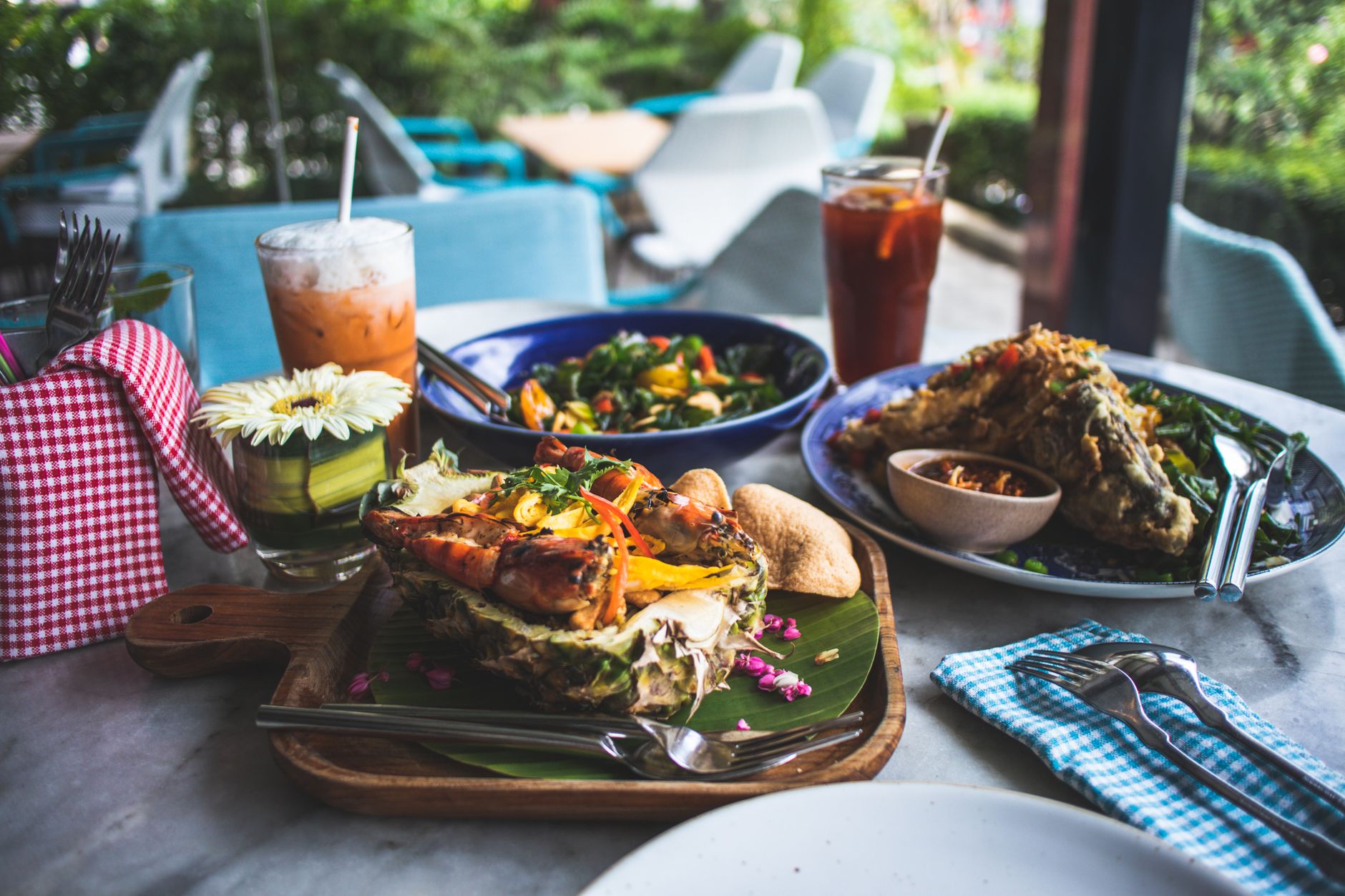 Elegant Thai restaurant plating inside a Bangkok hotel dining room
Ten hotel Thai restaurants in Bangkok that locals actually eat at — ranked on regional range, spice honesty, price per head and whether the food justifies staying in for dinner.
The hotel-Thai-restaurant problem
Most hotel Thai restaurants in Bangkok cook a genre of food that only exists in hotel Thai restaurants: green curry engineered to a mild-medium spice level, pad thai plated with a decorative banana leaf, mango sticky rice as the default dessert, and a wine list that outweighs the food menu. It is competent, it is safe, and it is expensive at $45 to $75 per head. Most travellers eat one of these meals per Bangkok trip because they arrived late and did not want to leave the hotel. It is the most-skippable meal of the trip.
But a specific counter-tradition exists in Bangkok: a small number of hotels — maybe ten of the roughly 400 four- and five-star properties in the city — run Thai restaurants that locals actually book for anniversaries and family celebrations. These are cooking regional Thai food (northern, north-eastern, southern) alongside central Thai; they spice honestly rather than to a foreign palate; they source ingredients from named farms and markets; and they charge $50 to $110 per head for food you cannot get anywhere else in the city at that quality.
The regional-focus restaurants: northern and north-eastern
Two Bangkok five-stars run Thai restaurants that specifically focus on northern (Lanna) or north-eastern (Isan) cuisine rather than the central-Thai default. Expect proper khao soi with fried noodle garnish and pickled mustard greens; nam prik ong with fresh vegetables from Chiang Mai suppliers; sai ua sausage grilled to order rather than pre-cooked; laap that arrives with the correct toasted rice powder and mint quantities; and som tam pounded in front of you with adjustable chilli. Price per head $55 to $85, wine mark-ups on the low side for Bangkok five-stars.
Book these restaurants if you have already eaten your way through the standard central-Thai canon and want to understand what Thai food is outside the Bangkok-tourist frame. Order the northern set menu at the Lanna-focused property or the Isan tasting at the other; both do a fair job of showing why regional Thai food is a genuinely different cuisine from central Thai. Skip if you have never eaten Thai food before, because these menus assume you know why sticky rice and khanom jeen appear on the same table.
The riverside heritage Thai restaurants
Two of the grand riverside hotels run Thai restaurants in restored teak houses on the water, serving central-Thai royal cuisine — the elaborate carved-vegetable, multiple-component dishes that historically came out of the palace kitchens. This is a real cuisine, not a marketing invention, and the versions served in these two restaurants are among the best in Bangkok because both properties have chef lineages going back to actual palace cooks. Expect $85 to $140 per head, seven- to nine-course tasting menus, and a river-facing dining room that carries the meal even if the food underwhelmed, which it does not.
This is the tier to book for an anniversary or a landmark birthday. The food is technically stunning, the service is unhurried in a way that feels rare in Bangkok, and the river setting means the dinner is a set-piece rather than just a meal. Trade-off: portions are elegant rather than filling, and if you are hungry at the end you will need to visit Yaowarat for a second dinner. Book two hours minimum; three is more realistic. Reserve two to four weeks ahead for weekend evenings.
The single-chef hotel Thai restaurants
A specific model has emerged in Bangkok over the past decade: a hotel Thai restaurant run by a named chef who cooks their own point of view rather than a generic hotel menu. Three or four Bangkok hotels now run restaurants of this kind, at price points from $60 to $180 per head depending on tasting-menu length. The food ranges from modern re-interpretations of central Thai classics to boundary-crossing menus that draw on the chef's personal regional background. Quality varies by chef, but the ceiling in this category is genuinely world-class.
Book these restaurants if you follow food seriously and want to eat at the sharp end of what Bangkok is cooking in 2026. Do not book them if you want a straightforward Thai meal at a hotel — the food is not calibrated for the mild-medium hotel-guest palate, and portions can be small if the tasting menu is priced under $80. Ask when booking whether the named chef is in the kitchen that evening; a few of these properties run the chef's menu with the chef out of town for a third of the year.
The all-day Thai restaurants that outperform their category
A small group of Bangkok four-star hotels — not five-stars — run all-day Thai restaurants that outperform their price bracket by a wide margin. Menus are longer and less curated than the fine-dining tier, prices run $22 to $40 per head, and the food is straightforward central Thai cooked properly: pad kra pao with real holy basil, tom yum with the correct galangal balance, gaeng keow wan with home-made curry paste rather than a jar. Locals eat lunch here regularly, which is the honest signal that the food is real.
This is the tier to book for casual dinners when you cannot face going out again. The restaurants take spice orders honestly — say "Thai spicy" and the food arrives at Thai spice level rather than a hedged version — and the drinks list keeps beer and soft drinks cheap enough that a meal for two runs $50 to $80 all in. The specific hotels sit in Ari, Ratchathewi and along the north side of Sukhumvit. Avoid the equivalent all-day Thai restaurants in Siam and Ratchaprasong, which cook to the mall-tourist palate.
The vegetarian Thai option inside hotels
Vegetarian Thai food in Bangkok is broadly better than vegetarian food in most other Southeast Asian capitals, because jay cuisine (Thai Buddhist vegetarian) is a real culinary tradition rather than a substitution exercise. Two Bangkok hotels run dedicated jay-focused Thai restaurants, and a handful more maintain a proper jay section on the main menu rather than a single tofu curry. Expect $30 to $55 per head, and food that does not taste like a compromise. Fake meats are used sparingly; the emphasis is on real vegetables treated as centrepieces.
Book these restaurants if the trip includes vegetarian travellers or if you want to eat a lighter meal that still counts as a proper Thai dinner. Do not confuse jay with vegan: jay excludes garlic, onion and other alliums as well as meat, so the flavour architecture is genuinely different from Western vegan food. Ask whether the specific dishes you order are strictly jay or general vegetarian — a good restaurant will know the answer and adjust to preference.
The honest verdict on hotel Thai in Bangkok
For a first Bangkok trip, book one hotel Thai dinner and one Thai dinner outside the hotel each evening, and make the hotel dinner the second or third night rather than the first. Choose either a regional-focus restaurant at $55 to $85 or an all-day Thai restaurant at $22 to $40, not the generic five-star Thai restaurant at $45 to $75. The two categories to prioritise deliver the food actually worth staying in for; the generic tier is where hotel Thai gets its poor reputation.
For a returning visitor, book one restaurant from the riverside heritage tier or the single-chef tier as a set-piece dinner, and use casual all-day hotel Thai restaurants for the other evenings. The single most-overrated category is the generic five-star hotel Thai buffet at $65 to $95 per head — the food is spread thin, the range is wider than the kitchen can execute properly, and the same money spent at a focused a la carte Thai restaurant delivers a better meal. Avoid the buffet.
Before you book
What people ask before booking Bangkok.
At the restaurants ranked above, yes — the kitchens will cook to Thai spice level if you ask specifically. Say "Thai spicy, not tourist spicy" and the message lands. At generic hotel Thai restaurants, "Thai spicy" usually still arrives at a hedged mid-level; ask for "the same as the staff meal" if you want it real.
Smart casual is the practical answer — long trousers and closed shoes for men, no beachwear for anyone. A jacket is not required. A few of the riverside heritage restaurants set a stricter dress code on weekend evenings; check when booking. Sports sandals and vest tops will get you turned away at the door.
The all-day Thai restaurants at four-star hotels are the most child-friendly, with adaptable spice levels and rice-noodle dishes children eat happily. The heritage and single-chef fine-dining tier is not designed for young children — tasting menus run two to three hours and portions are small. Book an all-day restaurant for family dinners; save the set-piece dinners for a night when children eat elsewhere.