Is Bangkok safe? An honest answer for 2026
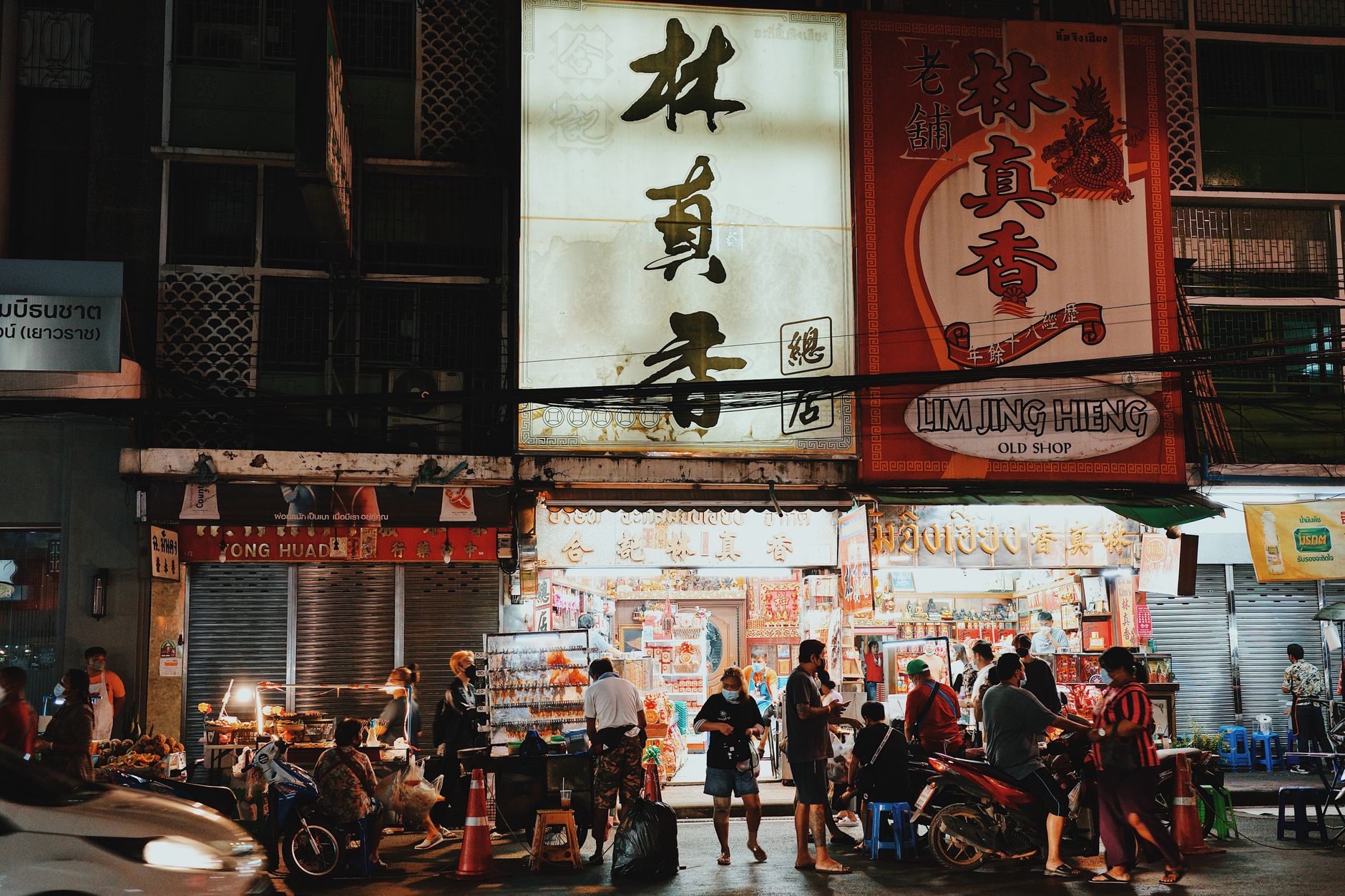 Busy but safe Sukhumvit street scene at night in Bangkok.
Bangkok is one of the safer major cities in the world for tourists — the honest risks are 3 specific ones and none of them are what you have been warned about.
The short answer
Bangkok is safer for the average tourist than most European or North American capitals. Violent crime against tourists is rare, walking alone at 11pm in central areas is unremarkable, and the police presence in tourist zones is visible and generally helpful. The city has real problems — traffic, pollution, scams — but personal safety, in the sense most travellers worry about, is not a top-three concern.
The three genuine risks worth planning around are: road traffic (especially crossing streets and motorbike travel), scam encounters at tourist sights (specifically the palace tuk-tuk scam), and food or water hygiene at low-turnover street stalls. Everything else you have read about — muggings, kidnappings, drink-spiking — happens, but at rates orders of magnitude lower than in most Western cities. Manage the three real risks and you will have a trouble-free trip.
Traffic — the biggest actual risk
Road traffic is genuinely the most dangerous thing in Bangkok, and it is the risk almost no first-timer takes seriously. Motorbikes weave through pedestrian crossings, cars turn across zebra crossings without stopping, and the general driving culture is aggressive by Northern European standards. Crossing a busy road takes local knowledge — look both ways twice, wait for a group of locals to cross with, and never assume a driver will stop for you.
Motorbike taxi rides — the Grab bike or motorcy — are cheap, fast and involve real risk. Helmets are sometimes provided but rarely well-fitting. Full-length trousers and closed shoes are the minimum sensible clothing. The honest advice is: use them for short hops in traffic where the alternative is a 25-minute Grab car, and skip them for longer runs. Most Bangkok expats have a motorbike-accident story; they mostly do not have crime stories.
The palace tuk-tuk scam — the one you will actually meet
The single scam you are almost certain to encounter is at the Grand Palace: a well-dressed local will approach you, tell you the palace is closed today (a religious ceremony, a public holiday, anything plausible), and offer to take you to a lesser-known temple by tuk-tuk for a cheap price. The tuk-tuk stops at gem shops and tailors where the driver gets a commission for bringing you in. It is annoying rather than dangerous but wastes a morning.
The palace is open unless the official website says otherwise; ignore anyone at the entrance who tells you differently. Similar scams operate at Wat Pho and around Khao San Road. The pattern is always the same: unexpected help from a stranger, an alternative destination, a cheap tuk-tuk. Say no thanks, walk toward the actual entrance, ask the uniformed staff if you need to check. In four visits I have been approached each time; nothing worse ever happens.
Food and water — the risk you have to make active choices about
Tap water is not drinkable in Bangkok — use bottled water for drinking and brushing teeth. Ice at restaurants and street stalls is fine as long as it comes from big commercial ice bags (cylindrical or cube ice); chipped ice is a red flag. Street food is safe at busy stalls with high turnover; the risk is at empty stalls where food has been sitting out. The queue rule is genuinely the best hygiene indicator you have.
Raw seafood, unwashed fruit and salads from low-end restaurants are the specific things worth being careful about. Cooked-to-order dishes at busy stalls are generally fine. A mild stomach upset in the first 48 hours is common as your gut adjusts to the local bacterial mix; serious food poisoning that ruins the trip is uncommon if you follow the queue rule. Bring rehydration salts as insurance; pharmacies sell them cheaply if you did not pack them.
Nightlife safety — mostly overblown
The go-go bar strips of Nana and Soi Cowboy are notorious but genuinely not dangerous — they are commercialised, visible, and heavily policed. The rougher edges of nightlife are in specific bars where scams (padded bills, dodgy drinks) happen, and these have well-established reputations that a five-minute Google search will surface. Sensible behaviour — watching your drink, paying attention to the bill before it arrives, not leaving with strangers — is enough.
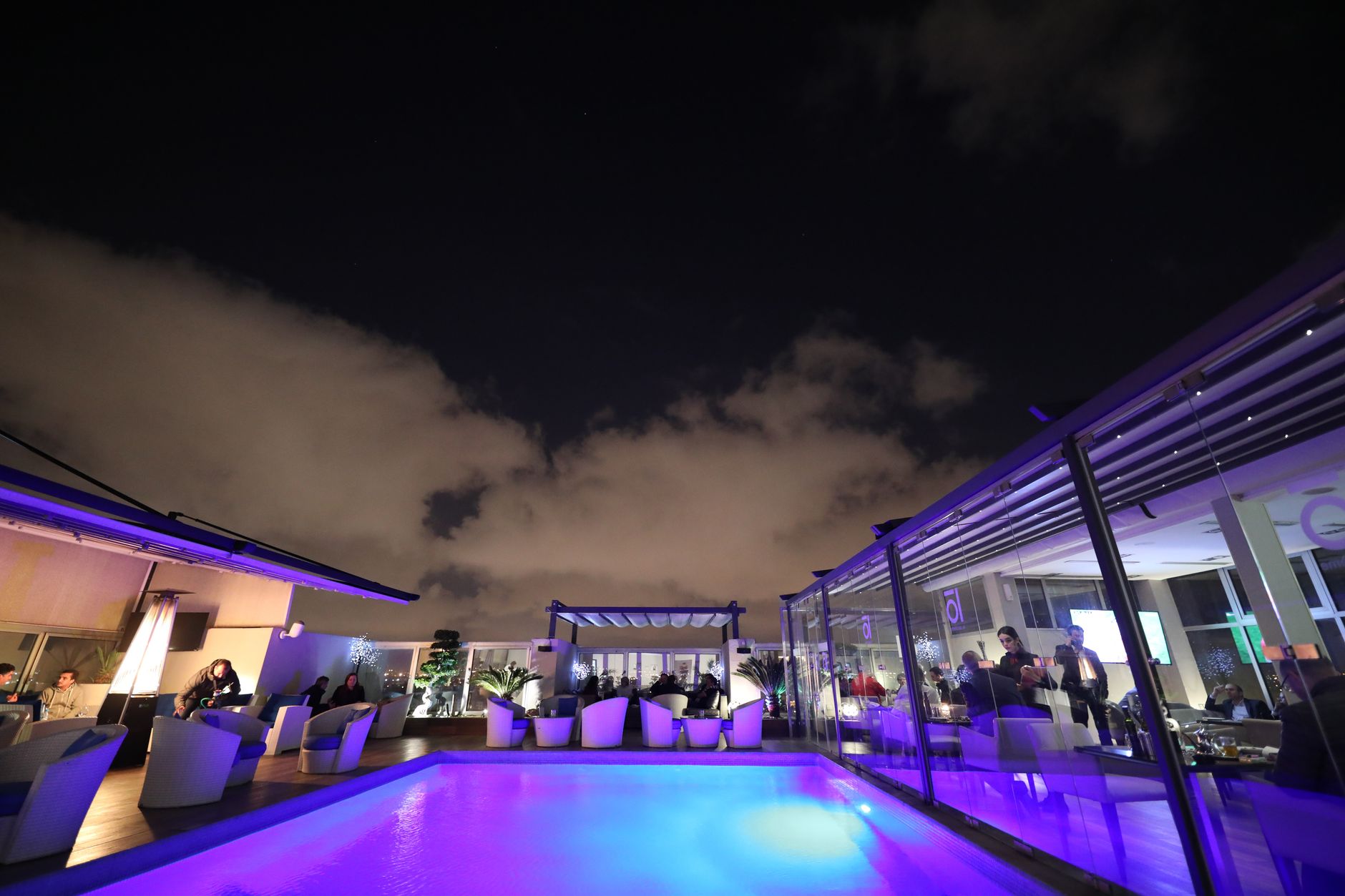
Drink-spiking incidents happen but are rare in the mainstream bars used by tourists. The higher-risk venues are specific after-hours bars where the crowd is transient and the drinks are opaque. If you stick to rooftop bars, cocktail lounges in Thong Lor and Silom, and mainstream nightclubs, the risk profile is comparable to any major city. The go-go strips themselves are a spectator experience for most tourists and involve very little real risk if you do not engage.
Solo women, LGBT travellers, and older visitors
Bangkok is a genuinely comfortable city for solo women travellers — street harassment is much less than most European cities, women dining alone or on transport is unremarkable, and safety walking after dark in central areas is high. Standard travel precautions apply but nothing Bangkok-specific requires extra worry. LGBT travellers find one of the most welcoming Asian capitals; same-sex couples in Silom and Sukhumvit attract no attention.
Older travellers should focus on the heat, not the safety. Bangkok is a physically demanding city in the wrong season — long walks, heavy air pollution, humid heat — but a genuinely safe one. Book taxis rather than motorbikes, budget for aircon everywhere, and plan sightseeing for cool morning hours. The city's biggest challenges for older visitors are the crossings and the humidity, not any crime risk.
What to carry, what to leave in the room
Carry a photo of your passport (not the original), one credit card, and enough cash for the day ($30 to $60). Leave the passport, spare cards and jewellery in the hotel safe. Pickpocketing at Chatuchak market and on very crowded BTS trains happens; use a front pocket or a crossbody bag with a zip. Phone snatching from motorbikes is uncommon in central areas but does happen — do not use your phone while walking on the road side of the pavement.
For emergencies, tourist police speak English and can be reached on 1155 from any phone. Hospitals in Bangkok are excellent and cheap by Western standards — Bumrungrad and Bangkok Hospital are the two most tourist-familiar, and a consultation is $30 to $60. Travel insurance with medical cover is worth having but the out-of-pocket cost of most medical issues here would not bankrupt anyone. This is a well-set-up city; the safety story is boring, and boring is what you want.
Before you book
What people ask before booking Bangkok.
In central tourist areas — Sukhumvit, Silom, Sathorn, Rattanakosin, Chinatown — yes, up to 11pm or midnight without unusual concern. Later than that, use Grab. Empty sois off main roads at 2am are not dangerous exactly, but taking a car home is more sensible than walking.
Yes — Grab in particular is tracked, receipted and driver-rated. Metered taxis are safe but drivers occasionally refuse the meter or take longer routes; insist on the meter or take Grab instead. Motorbike taxis (Grab bike) are safe as a service but carry the inherent risk of motorcycle travel in Bangkok traffic.
Say no thanks and keep walking to the actual entrance. The palace has clear signage and uniformed staff at the gate — they can confirm the palace is open. Ignore anyone in plain clothes claiming to be a guide or official. This is the single most common tourist scam in the city and rarely escalates beyond wasted time.
January to April can have poor air quality with PM2.5 levels reaching unhealthy ranges for a few days at a time — check IQAir or a similar app. Sensitive travellers should carry an N95 mask for the worst days. May to December is generally acceptable. Air quality is a real concern; take it more seriously than crime.