Pet-friendly hotels in Bangkok: what's actually possible in 2026
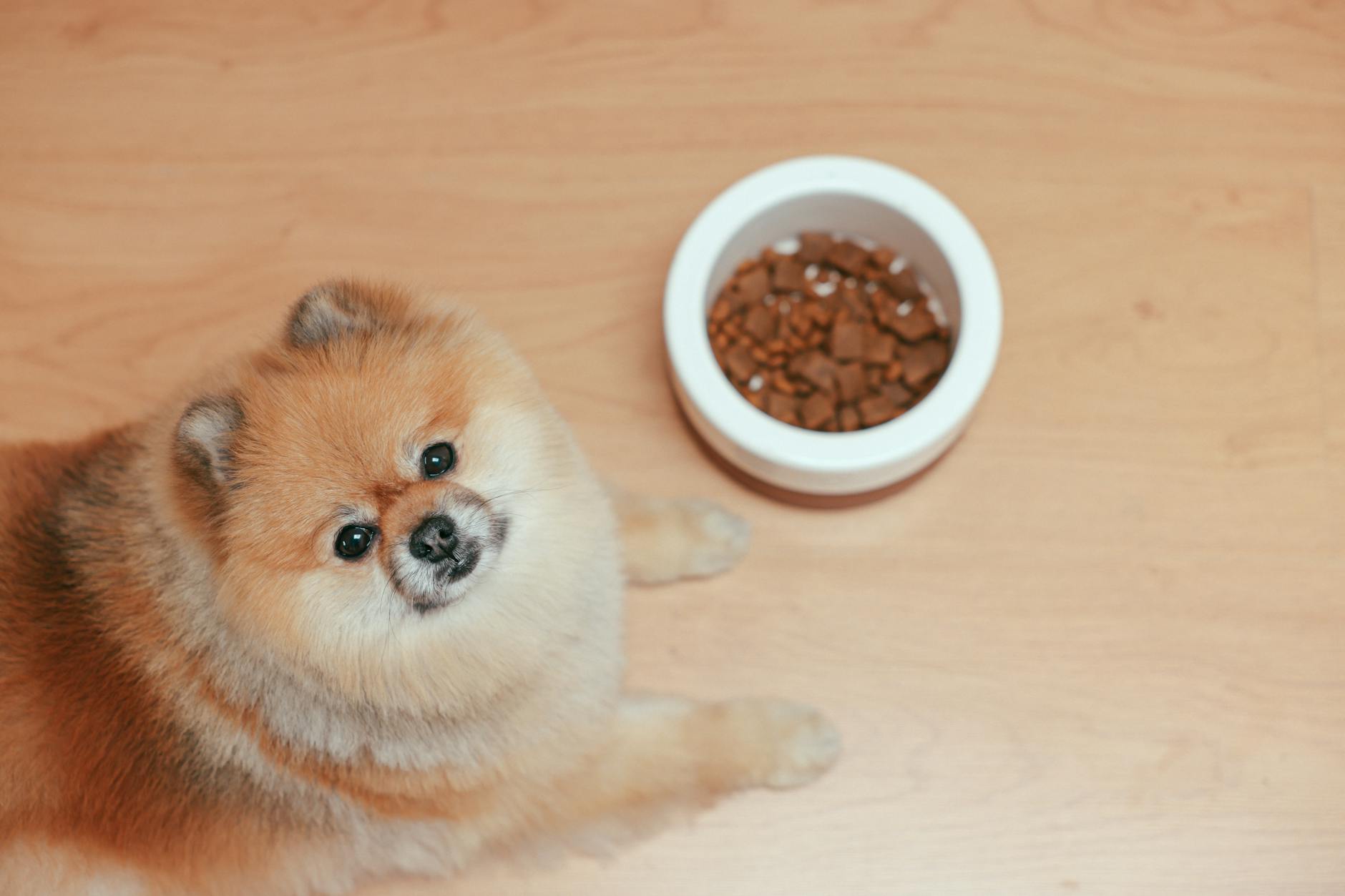 Small dog on a hotel bed with a welcome amenity of a bowl and treats on the side table
The small pet-friendly market in Bangkok explained, with seven realistic options, real fees from $20 to $80 per stay, and the honest reasons most hotels here still say no.
The state of pet-friendly hotels in Bangkok
Bangkok has a small and slowly growing pet-friendly hotel market. The default across the city is still 'no pets' — even guide dogs are turned away at some four-stars unless the booking is arranged in advance with documentation. The reasons are practical rather than hostile: most hotels operate on tight housekeeping schedules that can’t absorb extra deep-cleans, restaurants and pool decks are governed by public-health rules that exclude animals, and the domestic Thai leisure market has not historically travelled with pets.
What has changed since 2022 is a small cluster of properties actively welcoming pets — a few international four-stars with dedicated pet floors, several boutique aparthotels in Ari and Thonglor, and a longer list of serviced apartments willing to accept pets on long stays with a deposit. This guide covers what actually exists, what it costs, and the honest limitations. If you’re planning to bring a pet from overseas, the import paperwork is a separate and significant task — start it eight to twelve weeks before travel.
The international chain pet-friendly floors
A small number of international four and five-star hotels in Bangkok operate dedicated pet-friendly floors or wings, typically with two to eight rooms designated as pet-accepting. Nightly rates match the property's standard room rate ($150-320) plus a one-off pet fee of $30-80 per stay covering enhanced housekeeping. Rooms come with a pet bed, water and food bowls, and often a small welcome amenity of treats. Weight limits are usually 15-20kg, and only one pet per room.
This is the strongest option for a short leisure trip with a small-to-medium dog. The properties have dedicated relief areas (typically a small garden patch on the ground floor), staff briefed on pet policies, and — the underrated part — other pet-friendly guests, so no one gives you a hard look in the lift. The trade-off is limited inventory; the pet floors book out several weeks ahead for weekends. Cats are accepted less consistently than dogs; birds and small mammals almost never.
Boutique pet-friendly properties in Ari and Thonglor
The boutique aparthotels in Ari, Ekkamai and Thonglor are more consistently pet-friendly than the hotel sector, partly because these neighbourhoods have Bangkok's most active urban pet culture — cafes with dog patios, pet-goods stores every few blocks, groomers on almost every soi. Nightly rates run $70-140 with pet fees of $20-50 per stay, and the accepting properties often have no weight limit, taking up to 25kg with prior arrangement.
The rooms are typically studios or small one-beds with wood or tile floors (not carpet) and small balconies where a dog can be outside briefly. The catch is that many of these properties are on second and third floors above street-level shops with narrow staircases and no lift — a fine trade-off for a 6kg cavapoo, harder for a 22kg labrador. Verify lift access and floor level in writing before booking. Neighbourhood walks are the reason to pick this tier: Ari especially has genuinely pleasant tree-lined side streets.
Long-stay serviced apartments
For stays of a month or more, several serviced-apartment buildings across Sukhumvit and Sathorn accept pets on a case-by-case basis with a $150-300 refundable deposit and monthly rates of $1,800-3,000 for a one-bedroom. This is the right tier for anyone relocating to Bangkok temporarily, on an extended work assignment with a pet, or spending a Northern Hemisphere winter in Southeast Asia with a dog. Buildings with pet policies typically have a couple of designated relief areas and staff used to residents with animals.
The important detail is that acceptance is on a case-by-case basis, not an advertised policy — meaning you must send a photograph of the pet, its weight and vaccination records with the booking request, and get written confirmation. Some buildings quietly restrict pets to lower floors so lifts don’t fill with dog hair; some enforce leash-in-lobby rules strictly. All of this is workable but only if you know it going in. A month here is significantly cheaper and less stressful than a month in a hotel.
What about airport transfers and getting around?
Bangkok taxis and Grab cars are almost uniformly no-pets, and the drivers who accept animals usually want a soft-sided carrier and a $6-10 tip on top of the fare. The workable strategy is a pre-booked private car through the hotel for airport transfers at $40-70 depending on distance, and either walking or short pre-booked cars around the neighbourhood for daily outings. The BTS Skytrain and MRT subway accept small pets in fully enclosed carriers only — a mesh pouch is not enough.
This constrains what a Bangkok trip with a pet actually looks like. It becomes a walking-radius trip: pick a hotel in a neighbourhood you’re happy to spend most of the trip within (Ari, Thonglor and Ekkamai are the best three for this), and plan for two or three car-based excursions to specific pet-welcoming destinations rather than expecting to hop around the city as a pet-free visitor would. Restaurant options within walking distance matter more than sightseeing distance.
Pet import paperwork: the real timeline
Bringing a pet to Thailand from overseas requires an import permit from the Department of Livestock Development, a rabies vaccination administered at least 21 days before travel, a rabies antibody titre test from an approved lab (results valid for two years), and a veterinary health certificate issued within 10 days of departure. The process takes four to eight weeks minimum if everything runs smoothly, and up to twelve weeks if the titre test needs to be redone. Costs run $400-900 including the tests and permit.
This is the reason most visitors don’t travel to Bangkok with pets: the paperwork is disproportionate to a two-week holiday. It makes sense for stays of a month or longer, or for one-way moves. If you’re considering a shorter trip, the alternative worth pricing is pet boarding at home — a reputable kennel or a house-sitter at $30-60 a day for two weeks is $420-840, roughly what the import paperwork alone will cost, and your pet doesn’t experience the 11-hour flight.
The honest recommendation
For most short leisure visitors: leave the pet at home. Bangkok is a challenging city for animals — hot pavements that burn paw pads in the dry season, heavy humidity for coated breeds, and a food-stall culture that means every walk involves smelling grilled meat you can’t have. The trip is more relaxed without a pet, and the money saved on the import paperwork and the pet-fee premium buys a nicer hotel or an extra three days.
For relocations, extended stays and specific must-travel-with-pet situations: the pet-friendly infrastructure now exists and works. Book a long-stay serviced apartment in Ari, Thonglor or Ekkamai, budget $2,000-3,000 a month plus the deposit, and treat the trip as a walking-neighbourhood experience rather than a city-hopping one. The hotels covered here are all real and all accepting pets as of the last audit, but confirm in writing at booking — policies change without notice, and 'yes' on the phone should always be followed by 'yes' in email.
Before you book
What people ask before booking Bangkok.
Yes, at most pet-friendly hotels. The typical limit is 15-20kg for the international chain pet floors and up to 25kg at the more flexible boutique aparthotels. Larger breeds are generally not accepted anywhere in hotel accommodation. Long-stay serviced apartments occasionally accept larger dogs with prior arrangement and a higher deposit.
Yes, at a growing number of pet-welcoming cafes and restaurants — Ari, Thonglor and Ekkamai have the densest concentration. Mainstream restaurants, hotel dining rooms and shopping-mall food courts do not allow pets. Ask the hotel concierge for a current list; the pet-friendly restaurant scene changes fast and printed guides are usually outdated.
Both models exist. Short-stay hotels typically charge a one-off pet fee of $20-80 per stay, non-refundable, covering enhanced housekeeping. Long-stay serviced apartments usually take a refundable deposit of $150-300 held against damage. Read the terms carefully — a low advertised fee sometimes hides a large refundable hold on the card.
Yes. Bangkok has excellent private veterinary clinics, particularly in Sukhumvit, Ari and Sathorn, with English-speaking vets and 24-hour emergency services at several hospitals. Consultation fees run $25-50 and are cheaper than most Western countries. Hotel concierges at pet-friendly properties usually maintain a shortlist of nearby vets and can arrange transport if needed.