Where to stay in Kanchanaburi: raft houses, river resorts and the honest costs
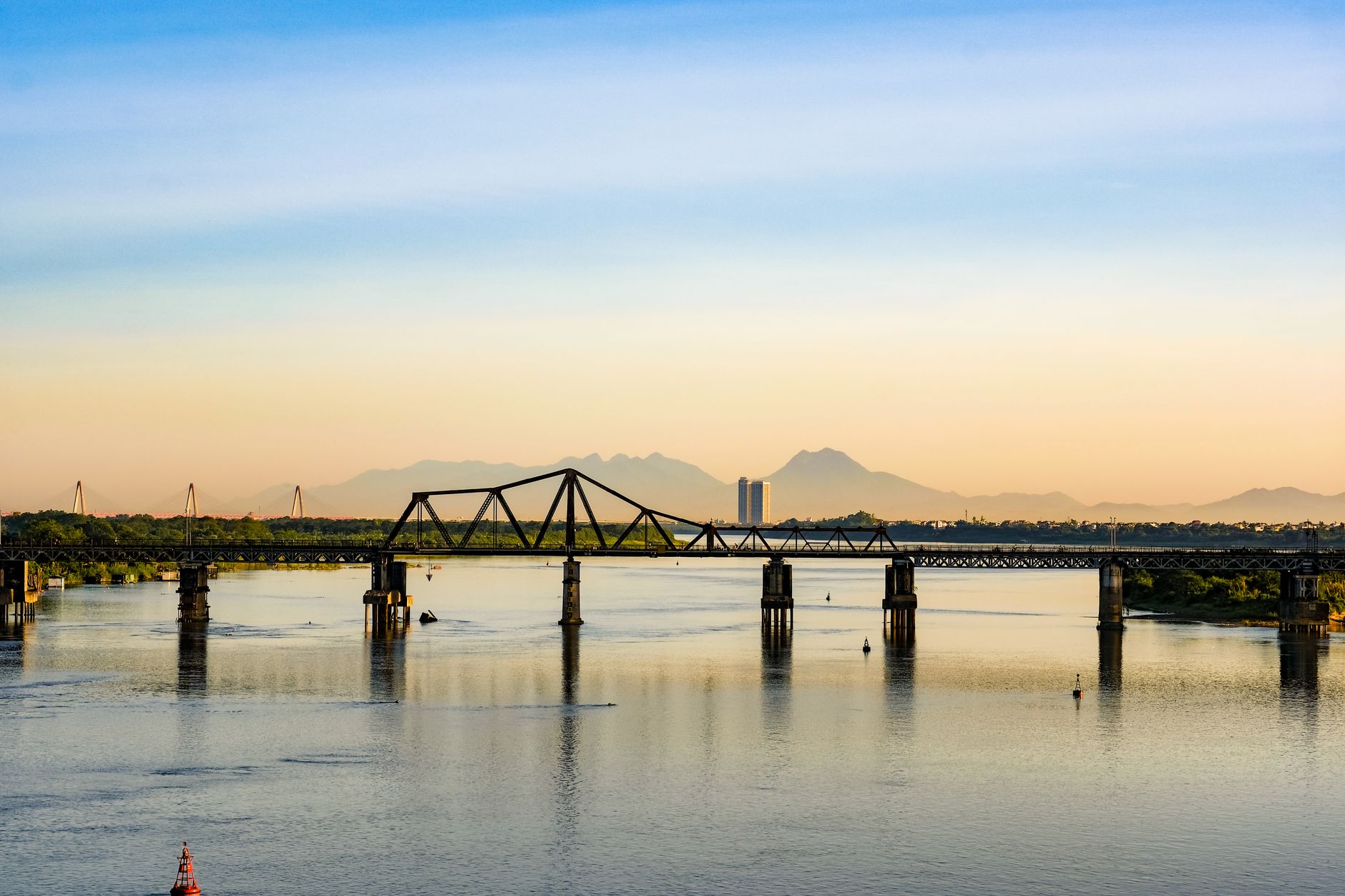 The Bridge over the River Kwai in Kanchanaburi with train crossing at dusk
Kanchanaburi is 130 km west of Bangkok, the raft-house rooms start at $18 a night, and the town has more sightseeing than any single day trip from Bangkok can cover — here is who should sleep here.
The one-line pitch
Kanchanaburi sits on the River Kwai about 130 km west of Bangkok, and it has always been a two-night place. The Bridge over the River Kwai, the JEATH War Museum, the Death Railway itself, the war cemeteries, Erawan Waterfalls (60 km further up), Hellfire Pass (80 km), Sai Yok National Park and the tiger sanctuaries all sit within a 90-minute radius of the town centre. The hotel scene reflects this: floating raft-house guesthouses along the river at $18-45, mid-range river resorts at $50-110, and a handful of upmarket resorts with private terraces over the water at $150-350.
The pitch is that Kanchanaburi is where Bangkok visitors go when they want a river weekend without flying south. Rates are 30-50% below equivalent Bangkok downtown accommodation, the pace is genuinely slow, and the sightseeing spans WWII history, national-park nature and a very good river. Two nights is the minimum that makes the drive worthwhile; three is better; a week is easy to fill if you have the time.
Who should book here
Anyone with an interest in WWII history. The Death Railway story — the Burma-Siam railway built by Allied POWs and Asian labourers under Japanese command from 1942-43 — is documented across the JEATH War Museum, the Thailand-Burma Railway Centre, the Kanchanaburi War Cemetery and Hellfire Pass. Doing this properly takes two full days and is not a Bangkok day trip. The Hellfire Pass Interpretive Centre (funded by the Australian government) is particularly strong and 80 km north of the town.
River-and-nature travellers are the second core audience. Erawan Waterfalls (a seven-tiered cascade in Erawan National Park) is one of the best waterfall day-trips in Thailand — cool, clear pools, hikeable across a morning. Sai Yok Yai and Sai Yok Noi are further waterfalls up the same road. Elephant sanctuaries (the ethical ones — Elephants World and ElephantsWorld's better competitors) offer half-day and full-day visits. Anyone using Kanchanaburi as a launch point for onward travel into Sangkhlaburi or the Myanmar border also does well to base themselves here for two or three nights first.
Who should skip it
Anyone treating this as a day trip. Kanchanaburi is 2.5-3 hours from Bangkok by road and 3-3.5 hours by train. A day trip means six hours of transit for four hours of sightseeing, and you will see the bridge and one museum before turning around. It does not work. If you only have a day, do Ayutthaya instead — it is closer, denser and more coherent as a single-day destination. Kanchanaburi rewards nights, not hours.
Travellers wanting nightlife, shopping or a food scene should also stay in Bangkok. Kanchanaburi has a decent riverside bar strip along Maenam Kwai Road, live music at a couple of the backpacker places, a small night market and honest Thai food throughout — but it is a provincial river town, not a city. Fine dining is essentially absent, malls are small and functional, and things quiet down by 11pm midweek. Families with older children who want swimming, waterfalls and light adventure do very well here; families expecting a resort infrastructure will find it thinner than Krabi or Hua Hin.
What a night actually costs
Raft-house guesthouses — literally rooms built on floating platforms tied to the riverbank — start at $15-25 for a fan room and $22-40 for air-conditioning. This is the classic Kanchanaburi experience and worth doing for at least one night. Mid-range river resorts with pools, restaurants and proper spa facilities run $50-110. Upmarket river resorts — the ones with private plunge pools, teak terraces and rates that include kayaks and elephant visits — sit at $150-350.
The town's town-side (non-river) hotels are cheaper still: $15-30 for a solid double at a walkable business hotel. But nobody comes to Kanchanaburi to sleep away from the water; the river is the reason. Compared to Bangkok, everything here is 25-50% cheaper for equivalent quality — the four-star river resort at $110 would be $180-240 in a comparable riverside Bangkok property. Book direct or through Agoda; the smaller raft-house places sometimes are not on international sites and quote higher rates when they are.
What is within walking distance and what is not
From a hotel or raft house along Maenam Kwai Road, you can walk to the Bridge over the River Kwai (10-25 minutes depending on where you are), the JEATH War Museum (10 minutes from the bridge end), Kanchanaburi War Cemetery (5-15 minutes), the Thailand-Burma Railway Centre (next to the cemetery), the town's night market (15-20 minutes) and the main bar-and-restaurant strip along the river. This walkable cluster is a full day's sightseeing.
What you cannot walk to and need transport for: Erawan Waterfalls (60 km, 90 minutes by songthaew or hire car), Hellfire Pass (80 km, 100 minutes), Sai Yok waterfalls (100 km), elephant sanctuaries (30-60 km depending on which), and the Death Railway train ride itself (departs from Kanchanaburi station in town but the interesting stretch is beyond Tham Krasae, 45 minutes out). Most guesthouses run tours or arrange songthaews and hire cars at $25-45 for a half day.
Choosing between raft house, river resort and town hotel
The raft house is the Kanchanaburi signature. You sleep on a floating room, the water laps under the floorboards, and at night you hear the river and nothing else. It is atmospheric, cheap and unique. The catch: rooms can be basic, hot-water pressure varies, thin walls carry sound from neighbours, and if the river runs fast the platform sways enough to notice. Do at least one night.
The river resort is the comfortable middle. A proper hotel with a pool, restaurant, spa and consistent air-conditioning, but built with river-facing rooms and often its own pier. This is where most first-time visitors will be happiest — the atmosphere is still there, the discomforts are dialled out. The town hotel is the fallback if the river is fully booked in high season or if you want a walkable base to the war cemetery and the bridge without paying river rates. Choose it only if the other two are unavailable — you came here for the river.
Getting in and out
From Bangkok: train from Thonburi Station takes 3-3.5 hours and costs $2-4 — the classic route, and the train continues onward to Nam Tok for the full Death Railway experience. Minivans from the Southern Bus Terminal (Sai Tai Mai) or Victory Monument take 2.5-3 hours and cost $3-5. A private taxi is $60-90 and 2.5 hours. If you have the time, take the train at least one way — it crosses the bridge on the way in, which is a genuinely moving arrival.
Onward: the Death Railway continues northwest from Kanchanaburi through Tham Krasae (the wooden viaduct clinging to the cliff) to Nam Tok, 2 hours further. Beyond Nam Tok, buses continue to Sangkhlaburi (4 more hours) and the Three Pagodas Pass at the Myanmar border. Buses and minivans back to Bangkok run frequently until early evening — the last minivan is around 6pm — and to Ayutthaya via Suphanburi if you want to combine ruins and river without doubling back through Bangkok.
Before you book
What people ask before booking Kanchanaburi.
Two nights minimum, three nights ideal. Two nights covers the WWII sites, the bridge, one waterfall day (usually Erawan) and one river evening. Three nights adds Hellfire Pass properly, an elephant sanctuary morning, or a Death Railway ride to Nam Tok. Four or more nights only makes sense if you are continuing to Sangkhlaburi or using it as a slow-travel base for a week.
Yes, at least the Kanchanaburi to Tham Krasae section (about 45 minutes each way). The train crosses the actual bridge and then runs along the wooden viaduct cut into the cliff face above the river — visually striking and historically significant. Tickets are $2-3 for tourists. Continuing to Nam Tok adds another 90 minutes each way and is only worth it if you have a full day.
Yes — Elephants World, ElephantsWorld and a few smaller no-riding sanctuaries around Kanchanaburi run half-day and full-day programmes focused on feeding, bathing and observation rather than riding or performance. Costs run $50-90 per person for a half day. Ask specifically whether they offer rides or shows; if they do, choose a different one.