Where to stay in Siam, Bangkok
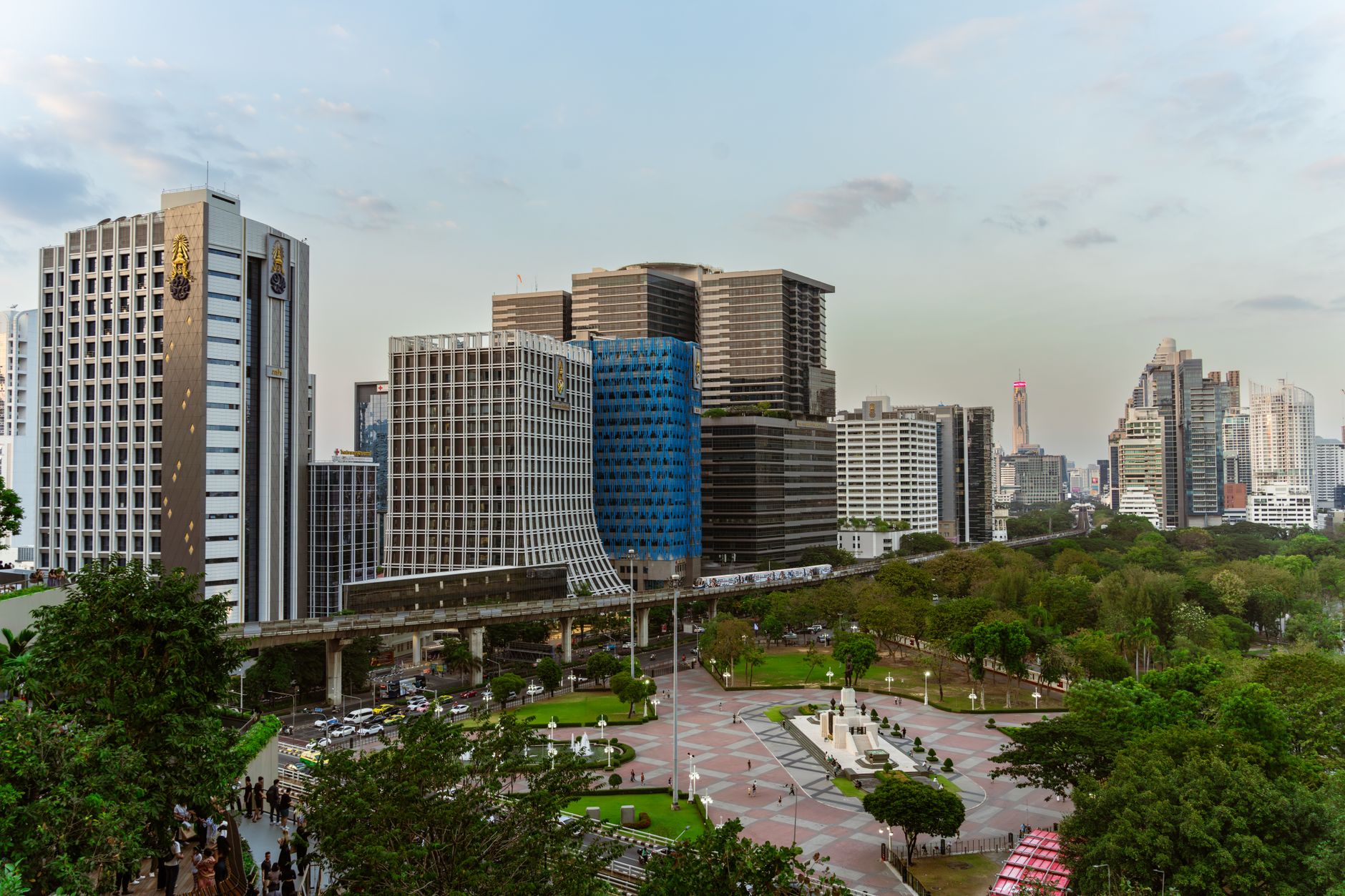 Siam BTS station skywalk connecting shopping malls at night
Siam is where six malls, two BTS lines and a Skywalk meet — book here if your Bangkok trip is 40% shopping and you don’t mind paying a 10% location premium.
Who Siam is for
Siam is the shopping heart of Bangkok, and the traveller who does well here is the one who plans to spend real time in malls, cinemas and food halls. Siam Paragon, Siam Center, Siam Discovery, MBK, CentralWorld and (a short walk further) Central Chidlom are all within a 15-minute radius of Siam BTS. First-time visitors who want a rain-proof base, families with teenagers, and anyone doing a long layover with a serious shopping list should look here first. The Skywalk system means you can move between three malls without touching a pavement.
It's the wrong pick for travellers looking for atmosphere, character or nightlife. Siam has almost no bar scene of its own — the malls shut at 10pm and the district empties. It's also short on street food (the old street-food lanes were cleared during the mall expansions) and short on cheap hotels. Backpackers and anyone chasing the local Bangkok feel are better off in Chinatown, Banglamphu or Ari, where a night out doesn’t mean a mall food court.
What a night costs
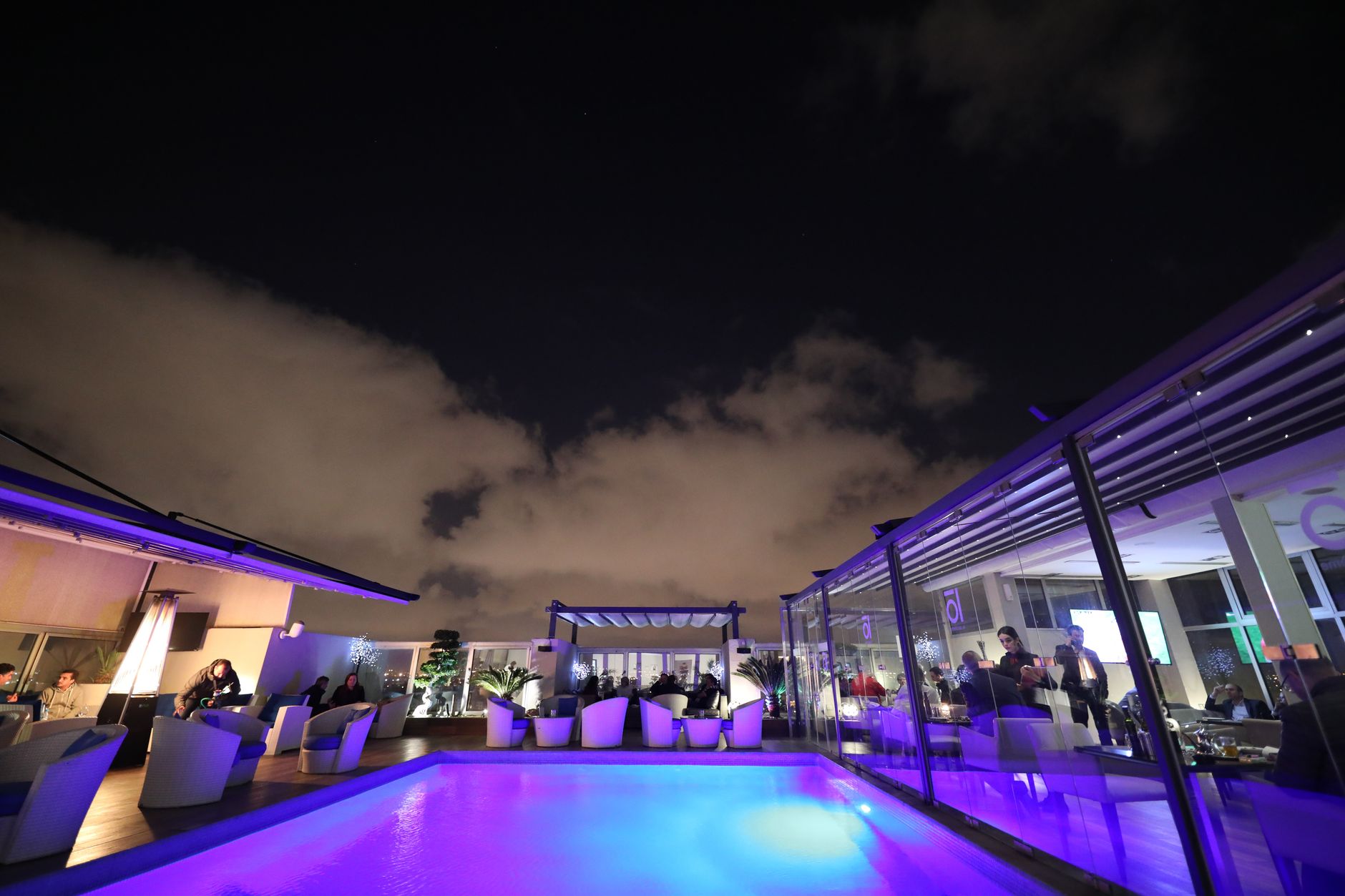
Siam runs 10-15% more expensive than the Bangkok average for a comparable room, because you’re paying for the address. Budget options are thin — a few small guesthouses on Soi Kasemsan behind the National Stadium at $30-45 for a double, and hostels around Ratchathewi one stop away at $12-18 a dorm bed. The mid-range is where Siam gets crowded: four-star chain hotels on Rama I Road and Phayathai Road at $95-150 a night, most with rooftop pools and BTS access from the lobby.
The top end is dominated by two clusters: the historic and modern luxury hotels around Ratchadamri BTS (a five-minute walk east from Siam) at $280-550, and the five-star towers wrapped around CentralWorld and the Erawan Shrine at $220-400. Rates spike in December, January and during the July shopping festivals; the softest months for a deal are May, June and September, when a $180 room can be had for $120.
What's within walking distance
Siam's walking radius is defined by the Skywalk. From Siam BTS you can reach Siam Paragon (immediate), Siam Center and Siam Discovery (5 minutes), MBK (5 minutes across the road), CentralWorld and Zen (10 minutes), Erawan Shrine (10 minutes), Central Chidlom (15 minutes) and the Jim Thompson House (10 minutes down Soi Kasemsan). That's six mega-malls, one major shrine and one of the city's better museums, all without a taxi.
East of Ratchadamri BTS you reach the Ratchaprasong intersection and eventually Lumphini Park (25-minute walk or one BTS-plus-MRT hop). North of Siam you’re at Ratchathewi BTS in one stop, and then Phaya Thai for the Airport Rail Link. South, across Rama I, you can walk to Sam Yan MRT and Chulalongkorn University's leafier streets in 15 minutes. What's not walkable: temples, the river, the Old City, Chinatown — all of which need the BTS, MRT or a taxi.
Siam vs Pratunam vs Chit Lom
Siam blurs into two neighbours, and the price break between them is real. Chit Lom, one BTS stop east, is essentially the same district with slightly higher hotel prices and quieter side streets — book Chit Lom if you want the mall access without Siam's crowds, and expect to pay $10-20 more per night. Ratchathewi, one BTS stop west, is 15-25% cheaper for a similar-quality room, with the trade-off that you’re a five-minute walk from the Skywalk rather than on it.
Pratunam, 15 minutes' walk north, is the cheap-clothes wholesale district, and the hotels there run $40-70 for a mid-range room. Book Pratunam if you’re on a budget and don’t mind the walk; book Siam if you want the BTS interchange (both Sukhumvit and Silom lines cross at Siam station) at your doorstep. For a first-timer with three or four nights, Siam or Chit Lom is the pragmatic pick and worth the small premium.
Getting around from Siam
Siam BTS is the only interchange between the two BTS lines (Sukhumvit and Silom), which makes it the single most useful transit point in the city. From here you can reach Asok in 6 minutes, Chatuchak in 12, Saphan Taksin (for the river) in 8, Ekkamai in 10. The MRT is a five-minute walk south to Sam Yan or a BTS hop to Sala Daeng for Silom MRT. Phaya Thai (for the Airport Rail Link) is two stops north on the BTS.
Suvarnabhumi from Siam is 40-55 minutes by taxi ($12-16) or 45 minutes via BTS-plus-Airport-Rail-Link ($3). Don Mueang is 45-70 minutes by taxi ($13-17) or a BTS-then-A1-bus combination via Chatuchak (about 70 minutes, $2). The taxi queue at Siam Paragon is a good pickup point — better organised than the street outside the BTS.
Eating in a mall district
Siam's food scene runs almost entirely indoors. Siam Paragon's Gourmet Market on the ground floor is the flagship — a proper food hall with 30 vendors doing everything from boat noodles to dim sum at $4-8 a plate, plus a supermarket that stocks imported goods that are hard to find elsewhere. Terminal 21's food court a BTS ride away in Asok is cheaper and equally good. CentralWorld's 7th-floor Food Republic and MBK's 6th-floor food court are both reliable $3-5 meals.
For actual restaurants, the malls hold most of the interesting options: nahm was once here, Sra Bua by Kiin Kiin at the Siam Kempinski is a Michelin-starred Thai tasting menu at $110-140 a head, and Erawan Tea Room at the Grand Hyatt Erawan does a solid mid-range Thai lunch at $18-25. Street food is thin on the ground — the closest concentration is at Pratunam Market or the sois around Ratchathewi. Don’t stay in Siam if street food is why you came to Bangkok.
The honest catch
Siam's biggest issue is that it isn’t really Bangkok. It's a shopping district built on top of a former slum-clearance, and the character it has is the character of a mall complex — polished, efficient, air-conditioned, and interchangeable with the equivalent zone in Kuala Lumpur or Singapore. Travellers who booked here expecting temples, canals or shophouses come away feeling short-changed. Use Siam as a base for shopping and pair it with day trips to the Old City, Chinatown or Thonburi.
The other catch is Sunday and public-holiday crowds. Siam Paragon on a Sunday afternoon in cool season is genuinely packed — 200,000 people through the doors is a normal day, and moving between malls on the Skywalk becomes a slow shuffle. The mall food courts have 20-minute waits for a table. If you’re staying nearby, plan your Sundays around the river or the Old City and come back to Siam on a weekday evening when it breathes again.
Before you book
What people ask before booking Siam.
Yes, particularly with older kids and teenagers. The malls have cinemas, an aquarium (Sea Life at Siam Paragon), an indoor go-kart track, and endless food courts — a rainy afternoon is easy to fill. For smaller children, the walking distances and the crowds are more of a slog; Sukhumvit's Phrom Phong area with Benjasiri Park is calmer.
Half a day is enough to see the district itself — one mall for shopping, the Erawan Shrine, and Jim Thompson House. If you’re basing yourself here for a full trip, three or four nights works because you can use it as a transit hub to reach the rest of Bangkok, not because Siam itself takes that long to explore.
The Skywalk connects the malls and BTS stations directly — Siam Paragon, Siam Center, Siam Discovery, CentralWorld, Erawan and their attached hotels are all on it. Hotels a block or two off the main strip aren’t, and you’ll be walking through the malls to reach them. Check the hotel's exact position on a map before booking; 200 metres in Bangkok heat is a real thing.