A two-day driving route from Bangkok: west to Kanchanaburi and back
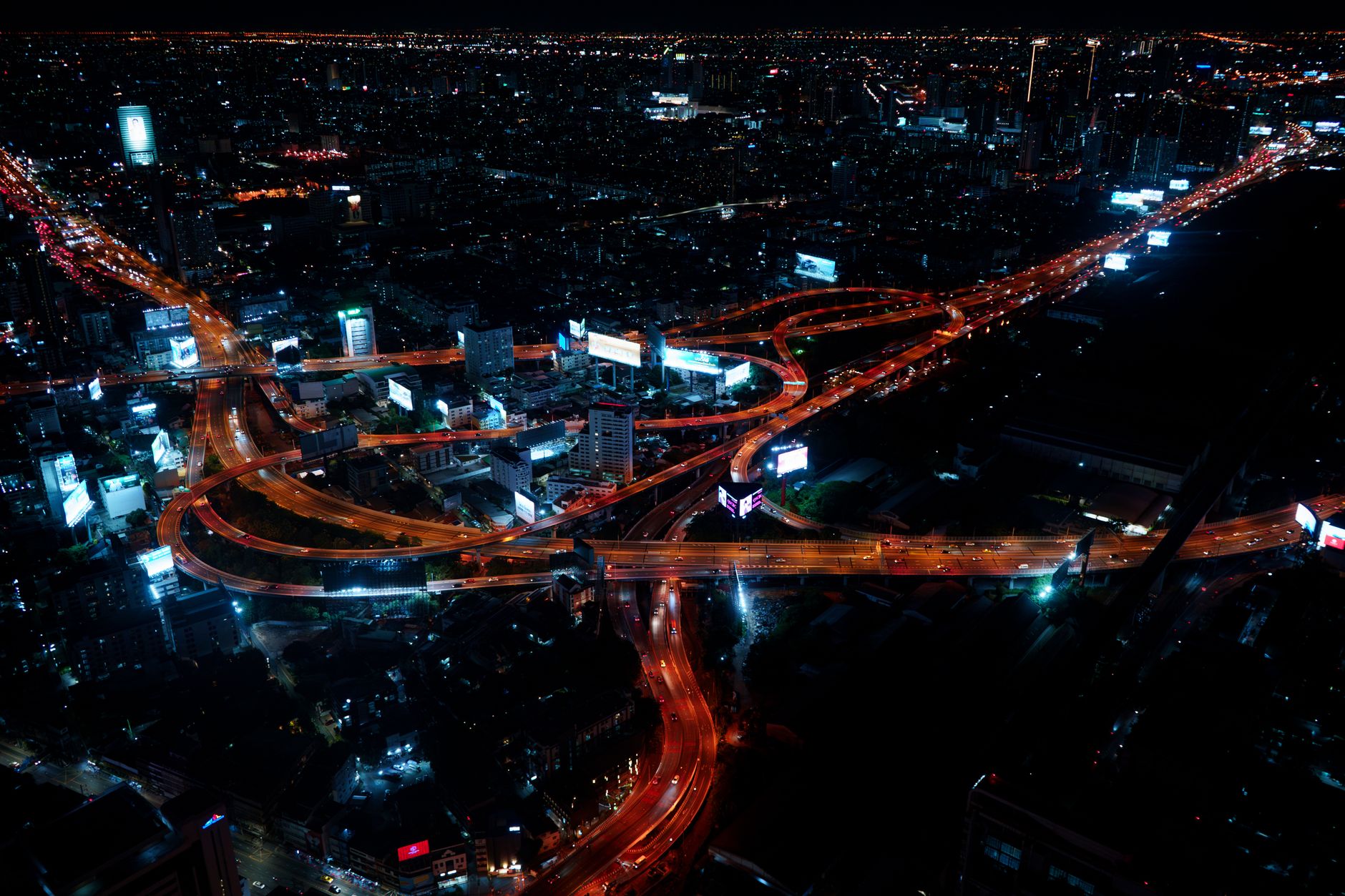 Highway 4 heading west out of Bangkok past salt flats
Rent a car for 48 hours and see 3 provinces, the River Kwai bridge, a floating market and the salt flats — total drive time 6 hours over two days.
Why drive at all when the train and buses work
Ninety-five percent of visitors to Kanchanaburi arrive by minivan from Mo Chit or on the slow 3rd-class train from Thonburi. Both work and both are cheap ($4-7 each way). You should drive if — and only if — you want to combine the bridge over the River Kwai with the Damnoen Saduak floating market, the Maeklong railway market and the salt flats around Samut Songkhram in one loop, because no public transport connects those four in under 48 hours. The car buys you the loop, not the destinations.
Rent from a proper counter — Avis, Budget, Sixt or Thai Rent A Car at Suvarnabhumi or in the city — not from the cheap Sukhumvit shopfronts. Budget for $35-55 a day for a compact automatic, plus $15 a day for the zero-excess insurance which is not optional given Thai traffic. An International Driving Permit is required; police checkpoints on Highway 4 do ask. Fuel for the whole loop is about $25.
Day 1, 7:00-10:00 — Getting out of town and the Maeklong railway market
Leave central Bangkok before 7:00 to clear the Rama II expressway before the outbound traffic thickens. Aim for Maeklong (Samut Songkhram) by 9:30 — it's 72km, roughly 90 minutes if you time it right, two hours if you leave at 8:00. The railway market at Maeklong is the one where vendors fold their awnings back as the train passes inches from the tomatoes; the timings are 08:30, 11:10, 14:30 and 17:40 arrivals. The 11:10 is the sweet spot for a day-tripping driver.
Park in the paid lot behind the station ($1.50 for the day) and walk in. The market itself is 300m of covered stalls selling produce, curries, dried fish and cheap kitchenware. Buy a bag of the sweet-savoury pork jerky ($3) for the drive. Stay for the train, watch the awnings collapse and reopen in the 40 seconds it takes to pass, then get back on the road by 11:45.
Day 1, 12:00-16:00 — Damnoen Saduak and the salt flats
Damnoen Saduak floating market is 25 minutes north of Maeklong. It is touristy, it is also the real thing — a working khlong network with boat vendors, coconut-sugar operations and noodle boats. Arrive by 12:30 and you’ll catch the tail end of the morning trade before it winds down at 14:00. Pay $12-15 for a one-hour paddle boat rather than the $30 motorised long-tail; the paddle boat goes into the narrow side canals the noisy ones can’t. Lunch on the boat noodles served from a floating kitchen ($3 a bowl).
Drive south from Damnoen Saduak on Route 325 and you’re in the salt flats within 20 minutes — huge geometric white pans between the road and the Gulf, worked by wooden rakes and stacked into pyramids. There's no ticket, no entrance, just a series of pull-offs on the coastal road between Samut Songkhram and Ban Laem. It photographs best at 15:30-16:30 when the light goes low. Buy a bag of fleur de sel from a roadside cooperative for $2.
Day 1, 17:00-20:00 — Drive to Kanchanaburi and where to sleep
From the salt flats, take Route 35 north to the 323 west — it's a 2-hour drive to Kanchanaburi town, arriving around 19:00. Fill the tank at a PTT station on the 323; fuel is cheaper outside Bangkok. Book a riverside guesthouse on the west bank of the Kwai Yai — the raft houses that float on the river, with a wooden deck and a hammock, run $30-55 a night and are the reason to come. Do not stay in the town centre; you drove all this way for a river.
Dinner is at one of the floating restaurants moored along the same bank — Keeree Tara and the places around the Bridge do a solid tom yum river prawn ($8) and grilled snakehead fish ($10) with a river view and a house band that will, eventually, play Hotel California. Accept it. The raft houses upriver of the bridge are quieter than the ones directly under it, which host floating discos on Saturdays.
Day 2, 8:00-13:00 — The bridge, the Death Railway and Hellfire Pass
Walk the Bridge over the River Kwai at 8:00 before the coaches arrive at 9:30 — it's free, it takes 15 minutes, and the trains still cross it four times a day. The JEATH War Museum and the Kanchanaburi War Cemetery are both in town, both worth 30 minutes each, and both free or by donation. The cemetery holds 6,982 Commonwealth and Dutch POWs and is the sobering counterweight to the bridge's photo-op reputation.
Drive 80km northwest on Route 323 to Hellfire Pass — 90 minutes through limestone karst and sugarcane. The Australian-funded memorial museum here (free, closed Wednesdays) is the best interpretation of the Death Railway anywhere; the walking trail down through the cutting takes 40 minutes round trip. Bring water. This is the part of the trip most visitors skip and the part everyone who does it says was the point of coming.
Day 2, 14:00-18:00 — Erawan waterfalls and the drive back
Erawan National Park is 40 minutes east of Hellfire Pass on Route 3199. Entry is $9 for foreigners, parking $1. The seven-tier waterfall is a 2km uphill hike; tiers 2 and 4 have the best swimming pools and the fish that nibble your feet for free. Do not attempt tier 7 if you have under 90 minutes — the trail steepens and you’ll be jogging back. Two hours at tiers 1-4 with a swim is the right dose.
Leave Erawan by 16:30 to hit Bangkok by 19:30. The route back is Route 323 to Highway 4 to the Rama II expressway; avoid Route 3199 back through Kanchanaburi town which adds 40 minutes. Return the car with a full tank — the drop-off penalty for an empty tank is $25 plus fuel at premium rates. Traffic re-entering Bangkok from the west on a Sunday evening is real; a 6pm arrival at the Rama II toll gate means a 7:30 arrival at your hotel.
What this loop costs and what you skip
Two days, one car, two people: $110 rental including insurance, $25 fuel, $35 tolls and parking, $80 raft house, $60 food, $30 entrance tickets — total around $340, or $170 per person. That is more than the equivalent minivan-and-train version ($90 per person) and much less than a private driver ($400 for the two days). You are paying the middle price for the middle option: full control, no minivan sardine-can, no driver's tip.
You skip: Ayutthaya (north, wrong direction), the Bridge sound-and-light show (November only), the elephant sanctuaries (ethically mixed, skip on a short trip), and any temples inside Kanchanaburi town centre (nothing you haven’t seen better in Bangkok). If you have a third day, add the Sai Yok floating bungalows further up the 323 and skip Erawan. If you only have one day, do this as a very long single day and cut Hellfire Pass.
Before you book
What people ask before booking Kanchanaburi.
Bangkok itself is stressful — narrow lanes, aggressive scooters, one-way systems. Once you clear the ring road, Highway 4 and the 323 are wide, well-signposted in English, and easier than driving in southern Italy. Stay under 100km/h, don’t overtake on blind corners, and expect scooters to appear from anywhere in villages.
Yes but the salt flats are underwater June-October and Erawan's upper tiers can close after heavy rain. May and November are the sweet-spot shoulder months. December-February is peak dry and peak comfortable but also peak coach-tour at Damnoen Saduak.
Hire a car with driver from Bangkok for $130-160 a day, or split the itinerary: minivan to Kanchanaburi ($4), overnight, day tour to Erawan and Hellfire Pass through your guesthouse ($30), train back via Nakhon Pathom. You lose the salt flats and the floating market but gain a driver who knows the potholes.