Bangkok in monsoon: what you can still do June to October
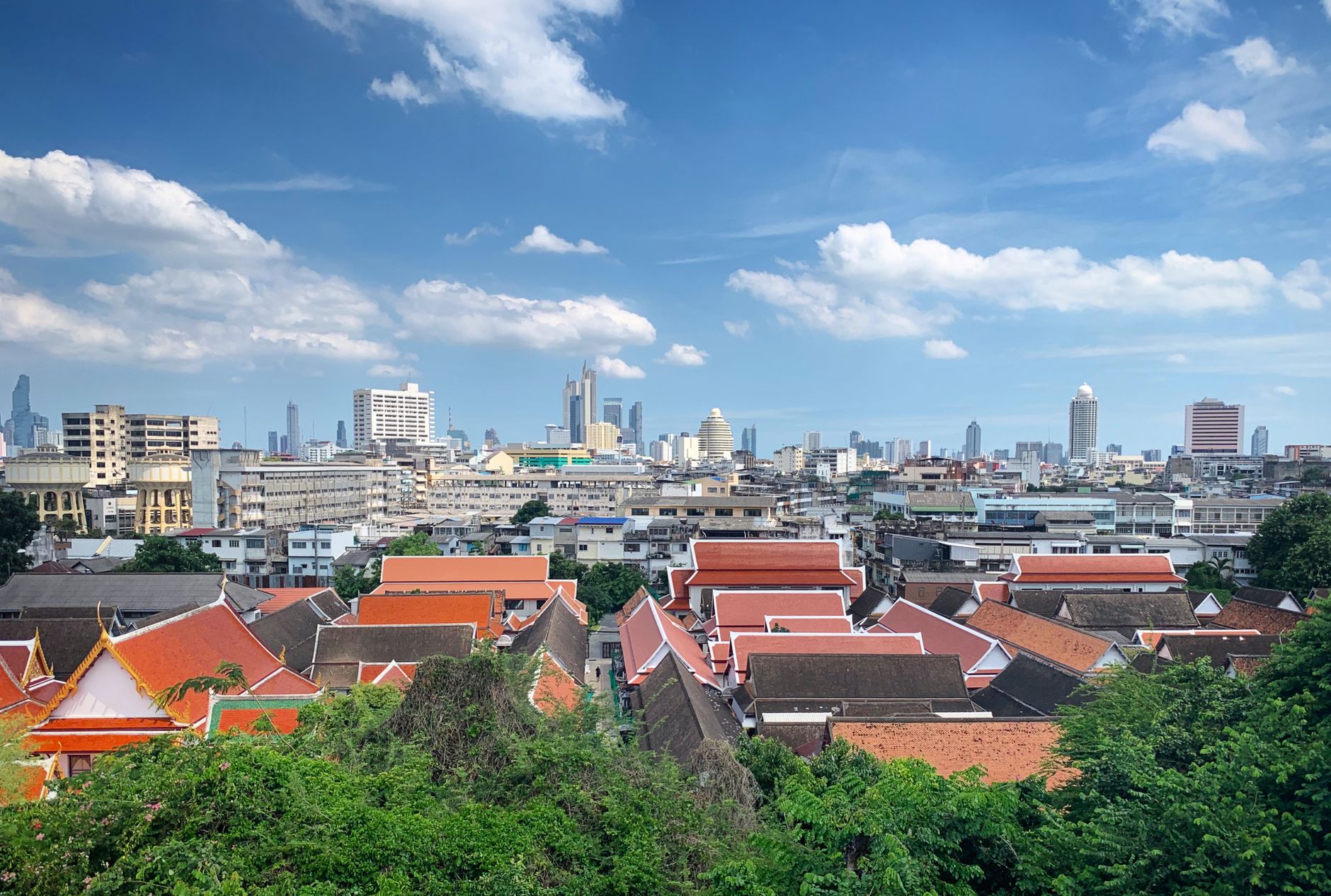 Rain over Bangkok skyline during monsoon
Rain falls on 15-22 days a month but usually for 90 minutes at a time — how to plan around it and save 25-40% on hotels.
What Bangkok monsoon actually looks like
The southwest monsoon runs from mid-May to mid-October and does not mean continuous rain. It means afternoon convective storms — usually starting between 2pm and 5pm, dumping 20-60mm of rain in 60-90 minutes, then clearing to steamy sun by early evening. Mornings are typically dry. September is the wettest month, averaging 320mm across 22 rain days; June and July average 180-200mm across 17 rain days. October tapers as the monsoon retreats. This is not the Delhi or Mumbai monsoon of week-long rain; it is a predictable daily interruption you can plan around.
The catch is the flooding. Bangkok is built on a floodplain 1.5m above sea level and drainage is inadequate — a 60mm storm floods low-lying streets in Sukhumvit (Soi 55, Soi 39, Soi 71), Silom's side sois, and much of Ari and Ekkamai within 20 minutes. Water reaches ankle to shin depth for two to four hours after the storm ends. Main roads (Sukhumvit, Silom, Rama IV, Ratchadamri) drain faster because of larger storm drains. Plan afternoons to be indoors or above ground, not walking side streets at 4pm.
The morning-first strategy
The single most useful monsoon-season habit is starting outdoor activities at 8am and finishing by 1pm. The Grand Palace opens at 8:30am and is at its coolest and quietest in the first two hours; Wat Pho and Wat Arun follow the same logic. Chatuchak Weekend Market runs 9am-6pm; go 9-11am to avoid both the crowds and the afternoon storm. Lumpini Park and Benjakitti Park are best walked 6-9am when locals are exercising and the air is coolest. By 1pm, retreat to a mall, museum or restaurant lunch.
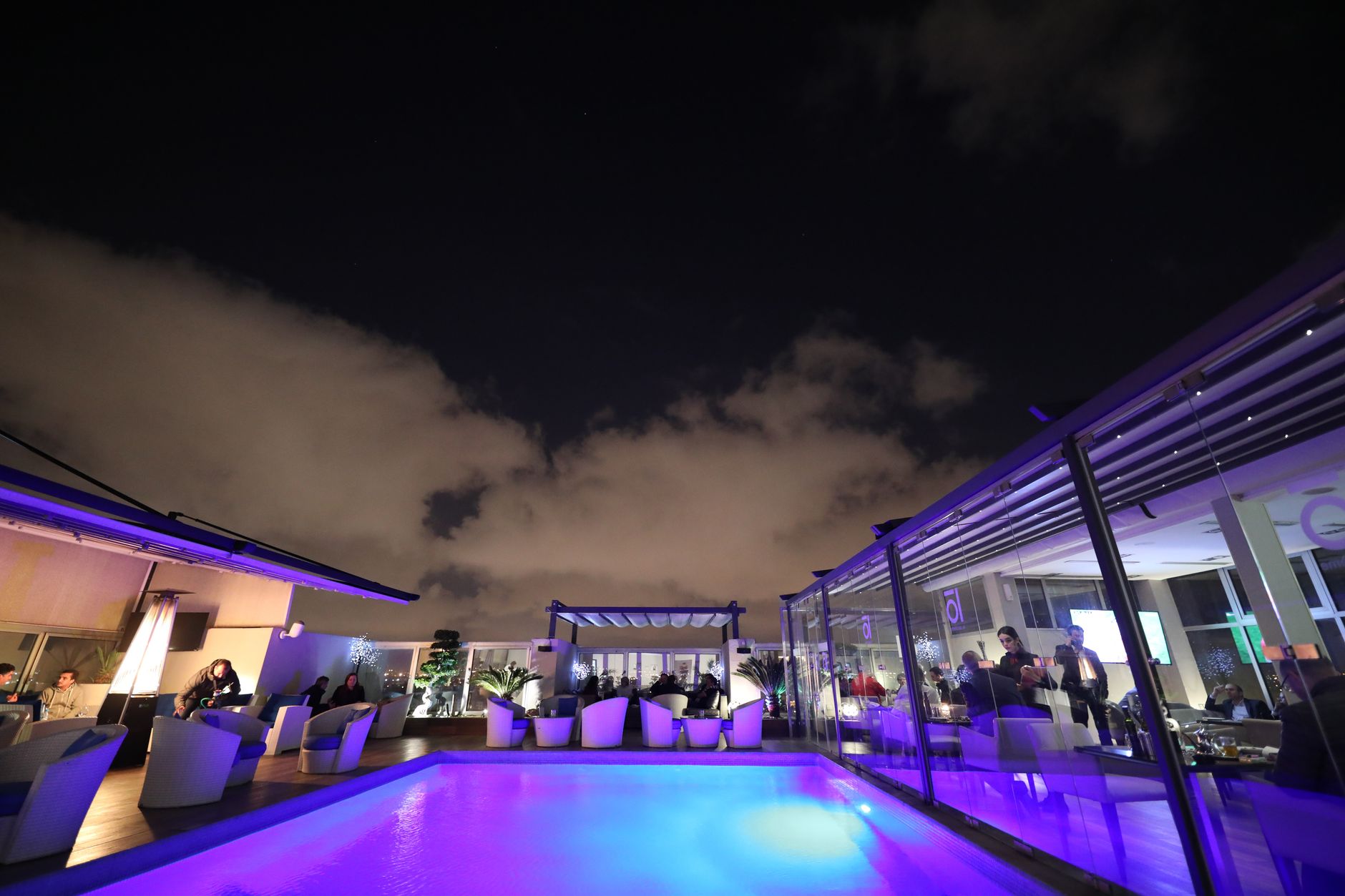
River-boat activities (Chao Phraya Express, longtail canal tours) run on the water and get soaked when it rains — do these in the morning. Longtail canal tours through the Thonburi klongs are actually more atmospheric in the light rain that often precedes the main storm, but a full afternoon downpour is miserable in a longtail and the boatmen sometimes turn back. Rooftop bars work in reverse — go for sunset after the storm has passed, around 6:30-7:30pm, when the sky is often dramatic and the temperature has dropped to a lovely 78°F.
What to book indoors
Cooking classes (Silom Thai Cooking School, Blue Elephant, Baipai) run 9am-1pm or 2pm-6pm sessions; the afternoon session covers the storm window perfectly and finishes with a meal you cooked yourself. Spa afternoons at Divana, Health Land or the hotel spas fill the same 2-6pm window. Museum afternoons at Jim Thompson House, the National Museum, Museum of Siam and MOCA give you three to four hours of dry, air-conditioned culture. Cinema (Paragon Cineplex, IMAX at IconSiam) shows all Hollywood releases in English with Thai subtitles for $5-10 a ticket.
Malls are Bangkok's monsoon lifeline. Siam Paragon, ICONSIAM, EmSphere and Terminal 21 are all connected to BTS stations by covered walkways so you never touch the rain. Each has restaurants for every price point ($5 food court to $80 fine dining), cinemas, aquariums (Paragon), Thai handicraft floors (ICONSIAM's SookSiam), and enough square footage to spend a whole afternoon without repeating yourself. Non-shoppers usually resist this but a monsoon afternoon in a good Bangkok mall is genuinely pleasant.
What room rates do
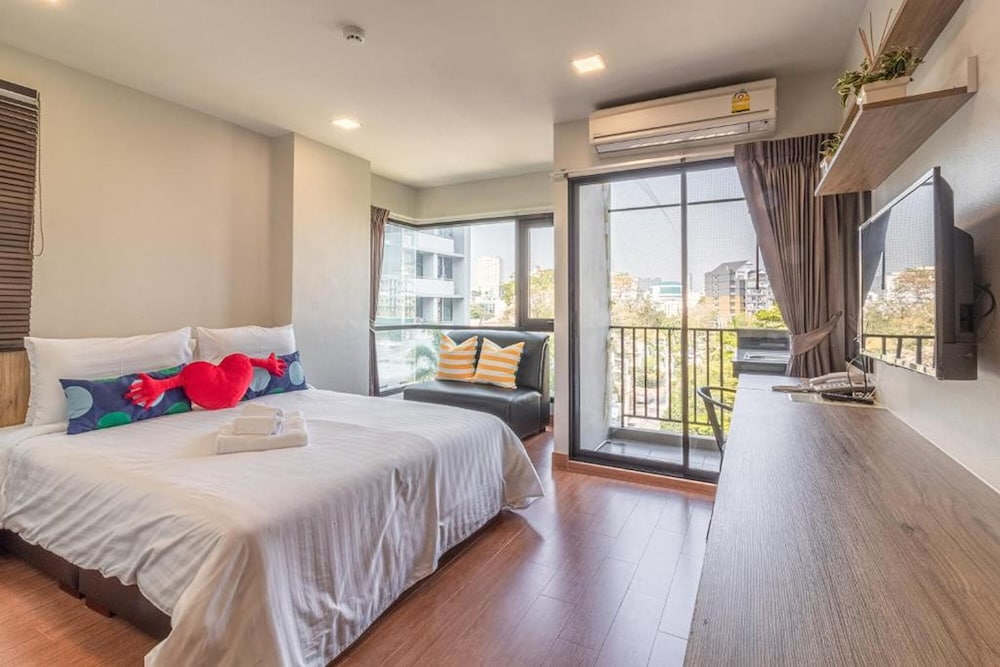
Monsoon is Bangkok's lowest-demand season and hotel rates drop accordingly. A four-star that runs $130 in high season lists at $85-100 in July and August. Five-stars discount less in absolute terms but percentages are similar — the Sukhothai from $260 to $195, the Peninsula from $450 to $340. Budget guesthouses in Khao San drop from $25 to $15. Boutique hotels with pools and rooftop bars are the best value because their differentiating features (pool decks, terraces) are less appealing in the rain, so they discount hard to keep rooms filled.
The exception is August, when European summer holidays overlap with monsoon and rates for the last two weeks of August tick up 10-15% at hotels that cater to families and long-stay European guests. September genuinely is the cheapest month in Bangkok, with the lowest rates of the year across every category. If you can tolerate one wet afternoon per day and pack a rain shell, you get the same city for 30-40% less. Business hotels drop even harder because corporate travel slows — Silom and Sathorn four-stars often list $70-90 in September for rooms that are $140 in January.
What still opens, what closes
Almost everything stays open. Bangkok is a year-round city and the monsoon is business-as-usual — restaurants, temples, malls, markets, museums, spas, cinemas, transport all run normal hours. The floating markets (Damnoen Saduak, Amphawa) actually get more atmospheric with high water and green landscape. Ayutthaya and Kanchanaburi day trips run daily. Airport transfers work fine; Suvarnabhumi has never closed for weather. The main airport rail link runs regardless.
What suffers is outdoor evening events — the night bazaars at Ratchada and Jodd Fairs are miserable during a storm, and vendors sometimes pack up. Rooftop bars close their outdoor sections during rain (indoor sections stay open); the terraces at Vertigo, Sky Bar and Octave all shelter guests and continue service, but the view is gone. Sunset river cruises run in the rain and refund only for storm warnings, not for wet weather. Longtail tours often reschedule if rain is heavy in the morning. Everything else you would want to do is unaffected.
Getting around when it rains
The BTS and MRT are the monsoon-season salvation — elevated and underground respectively, they run regardless and stay dry. Every major shopping and hotel district is on the network. Grab and Bolt work but response times triple during a storm because traffic gridlocks and drivers avoid flooded sois; a five-minute pickup becomes 25 minutes. Motorcycle taxis stop running during heavy rain (drivers are unprotected and roads are slick). Tuk-tuks continue but you get soaked from the sides even with the plastic sheets they roll down.
Walking in the rain in Bangkok is genuinely fine if you have a $3 poncho from any 7-Eleven and shoes you do not mind getting wet. What is not fine is walking through the shin-deep flood water that pools in side streets — it contains sewage overflow and cuts on the feet get infected fast. Wait 20-30 minutes after the storm ends for water to drain, or walk on main roads only. Umbrellas are less useful than ponchos because wind can be strong and you often need both hands.
The upside no one mentions
Monsoon Bangkok is quieter, greener and cheaper than high season. The Grand Palace crowds are half what they are in January. Restaurants that need reservations three weeks out take walk-ins. The air is clean — the storms wash the PM2.5 out of the sky nightly, so June-September consistently has the best air quality of the year (readings under 30). The city smells of wet earth and jasmine rather than exhaust. Traffic is lighter because the schools break in October and the Bangkok middle class travels domestically.
For photographers, the pre-storm and post-storm light is dramatic in a way January's flat sunshine is not — golden hour through fresh rain-scrubbed air, storm clouds building behind Wat Arun, reflected neon on wet Yaowarat streets. For food travellers, monsoon is peak mango season (June-August) and the beginning of durian season. For anyone on a budget, the 30-40% hotel discount is real money that can be spent on a spa upgrade or a fine-dining night at a place you could not otherwise afford. Monsoon is not the compromise season people think it is.
Before you book
What people ask before booking Bangkok.
Suvarnabhumi and Don Mueang have never closed for rain alone. Individual flights are occasionally delayed 30-60 minutes during the peak of a storm, and lightning holds ground crews briefly, but the runways and terminals stay operational. Allow standard buffers and do not book a same-day tight connection in the afternoon.
September, averaging 320mm across 22 rain days. It is Bangkok's cheapest month by 15-25% over adjacent months, and rain still comes in predictable afternoon bursts. Worth booking if budget matters more than a guaranteed dry afternoon. Avoid only if you have inflexible outdoor plans.
Buy on arrival. Every 7-Eleven and Family Mart sells $2-3 plastic ponchos and $4-6 telescopic umbrellas. Waterproof phone pouches are $2. The one item worth bringing is quick-dry shoes or sport sandals — everything you buy locally is fine, but shoes are hard to size on the fly and blisters from wet sneakers ruin a day.