Hotels near BTS stations in Bangkok, ranked by how much time it saves
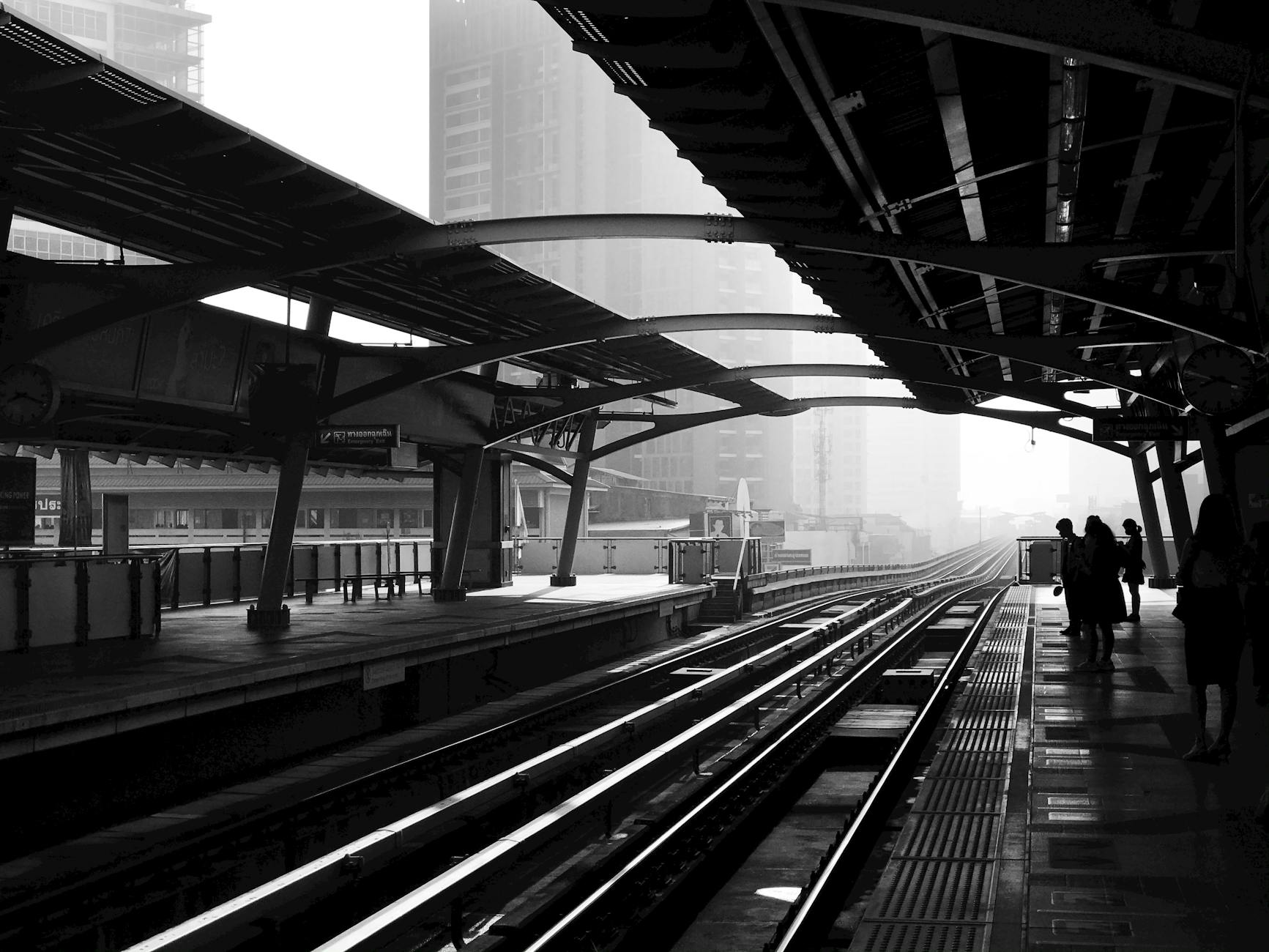 Elevated BTS Skytrain station at street level with hotel towers rising above the platform
Twelve BTS stations compared as hotel bases, with honest walk times, interchange penalties, and which stops actually save an hour a day versus which just sound convenient.
Why 'near a BTS station' isn’t a single thing
Bangkok's traffic makes the BTS Skytrain the single most useful piece of infrastructure for a visitor, but 'walking distance to a BTS station' hides a huge quality range. The difference between a hotel with a covered skywalk directly into the ticket concourse and a hotel that's 400 metres down a broken pavement in 33-degree heat is 15 minutes each way and a shirt-change on arrival. Over a five-day trip that's two-and-a-half hours of your life and roughly $40 in taxi fares you took because the walk was too much.
The stations also aren’t equal to each other. Some are interchange hubs that connect two lines, some are single-line stops with a five-minute wait between trains, and a few are effectively terminus stations where you’ll always get a seat. The ranking that matters isn’t which station is 'closest to the sights' — it's which one gives you the shortest total door-to-door time to the three or four places you’ll actually go. That calculation is what this post ranks.
The tier-one interchanges: Siam, Asok, Sala Daeng
Siam is the only station where both BTS lines meet, which means every journey in central Bangkok is either direct or one change here. Hotels within a five-minute covered walk of Siam BTS — the shopping-mall-attached properties around Siam Paragon and Siam Discovery — save 10-15 minutes a day compared to any other base, because you never wait for a connection. Rates run $180-350 for four-stars, $350-600 for five-stars. Worth every dollar for a first-time visitor doing the classic circuit.
Asok interchanges with the MRT subway at Sukhumvit station, which unlocks Chinatown, Hua Lamphong and the northern MRT stops without a taxi. Sala Daeng interchanges with Silom MRT for the same trick on the western line. Hotels within three minutes' walk of either station — the towers along Sukhumvit Soi 21 and along Silom Road at the top of Convent Road — cost 10-20% more than equivalent hotels one station away, and are worth it if you plan to use the MRT more than twice during your stay.
The tier-two Sukhumvit stops: Phrom Phong, Thong Lo, Ekkamai
Phrom Phong is the strongest single-line stop in the city for leisure travellers: EmQuartier and Emporium malls are attached directly to the station, the neighbourhood is walkable, and hotels within three minutes on foot cost $130-240 for four-stars — cheaper than Siam or Asok for a similar quality of room. The trade-off is that every trip to the Old City or the river involves at least one change and 25-35 minutes on the train, versus 15-20 minutes from Siam.
Thong Lo and Ekkamai are the nightlife-and-restaurant stops, and the honest issue is that the actual bars and restaurants are 800m-1.5km down the sois from the BTS station. A hotel 'near Thong Lo BTS' still involves a $3 taxi or a 15-minute walk to get to dinner. Book these stations only if you’re specifically here for the Thonglor food scene and are happy with short taxis to and from the station every night. For general sightseeing, Phrom Phong is a much stronger single-line base.
The Silom line stops: Chong Nonsi, Surasak, Saphan Taksin
Chong Nonsi puts you in the middle of the Sathorn business district, one BTS stop from Sala Daeng's MRT interchange. Hotels within five minutes' walk run $150-320 for four-stars, and the neighbourhood empties on weekends — quieter evenings, cheaper taxis, less crowded restaurants. Skyline views from the tower hotels here are the best in the city because you look east across the whole Sukhumvit spine.
Saphan Taksin is the only BTS station on the river, connecting directly to the Chao Phraya Express Boat pier. Hotels within a covered walk of the station — the riverside cluster around Charoen Krung Road — are the right pick if you plan to use the river for sightseeing (Grand Palace, Wat Arun, Chinatown by boat). The trade-off is that everything east of Silom takes 30-plus minutes to reach and the last express boat leaves the pier around 7pm, after which you’re taxiing everywhere.
The underrated stops: Ari, Ratchathewi, Phaya Thai
Ari has become the design-and-cafe neighbourhood over the last five years, and the boutique hotels within a five-minute walk of the BTS run $80-160 — a serious discount to Sukhumvit for comparable quality. The station is four stops north of Siam, so central sightseeing takes 15-20 minutes, and the neighbourhood itself is worth an evening of its own. Book Ari if you’re a repeat visitor who's done the tourist circuit and wants a base with actual local life.
Ratchathewi and Phaya Thai are the airport-link stops — Phaya Thai is the direct city terminus of the ARL train from Suvarnabhumi, which reaches central Bangkok in 26 minutes for around $1.30. Hotels within three minutes of Phaya Thai save you 40 minutes and $12 on both the arrival and departure taxi rides. The neighbourhood is unremarkable (no notable restaurants, few sights), but for a two-night stopover it's the most time-efficient base in the city.
Which stations to avoid as a hotel base
Nana has the reputation, deserved, of being loud, red-light-adjacent and rough after 10pm. Hotels here are cheaper than Asok by 20-30% and it's not a safety issue, but the neighbourhood atmosphere is aggressively touristic. Ploenchit is fine but is essentially an office district with limited evening life, so you’ll always taxi somewhere for dinner. Victory Monument is a huge, chaotic interchange with buses and vans — practical for onward travel to Ayutthaya or Kanchanaburi, but stressful as a nightly base.
The outer BTS stops beyond On Nut in the east and Krung Thonburi in the west are cheap ($40-80 for four-stars) but the false economy is real: you’ll add 20-30 minutes each way to every trip, and evening taxis back from central Bangkok on a rainy night can hit $15-20 with surge pricing. Unless the reason for the trip is specifically in that area, staying inside the Mo Chit-to-On Nut and National Stadium-to-Wongwian Yai corridor is worth the extra $30-50 a night.
How to actually measure walking distance
The single mistake first-time visitors make: trusting map-app walk times. Google's walk estimate assumes normal pavements at normal temperatures. Bangkok pavements are frequently blocked by parked motorbikes, food stalls, construction and utility works, and the 30-plus-degree heat and 75% humidity slow every walk by 20-30%. A '5-minute walk' on the map is often 8-9 minutes in reality, and a '10-minute walk' becomes a 15-minute sweat that no one wants to do more than once.
The correct filter: only count a hotel as 'near' a BTS station if it's within 400 metres and the walk is either covered (skywalk) or shaded. Look for the phrase 'connected via skywalk' or 'BTS Skywalk exit direct to hotel' in the property description, and cross-check on Google Street View that the actual walk isn’t a broken-pavement dash across two side sois. If the pictures don’t show a covered walkway, budget a taxi for hot afternoons and factor $40-60 into the trip cost.
Before you book
What people ask before booking Siam.
Single-journey fares run about $0.50-1.80 depending on distance, with most central trips at $1.00-1.30. A one-day tourist pass is $4.30 with unlimited rides. For stays of three days or more, buying a Rabbit stored-value card at any station for a $3 refundable deposit and topping up as needed is the most convenient option.
The BTS runs until around midnight, with last trains from most central stations between 11.45pm and 12.15am. If you’re eating dinner past 10pm in Thonglor or Ekkamai, plan to taxi back, not train back. Grab or Bolt taxis from any nightlife area to central hotels run $4-8 depending on distance and traffic.
Yes, and for some itineraries better — the MRT reaches Chinatown, Hua Lamphong and the Old City more directly than the BTS. If your sightseeing is river-and-temple heavy, a hotel near an MRT station like Sam Yan or Hua Lamphong may save more time than a BTS base. Fares and quality are comparable.