Nakhon Pathom
Small provincial city 60km west of Bangkok — home to the tallest Buddhist stupa in the world and Thailand's original Dvaravati capital.
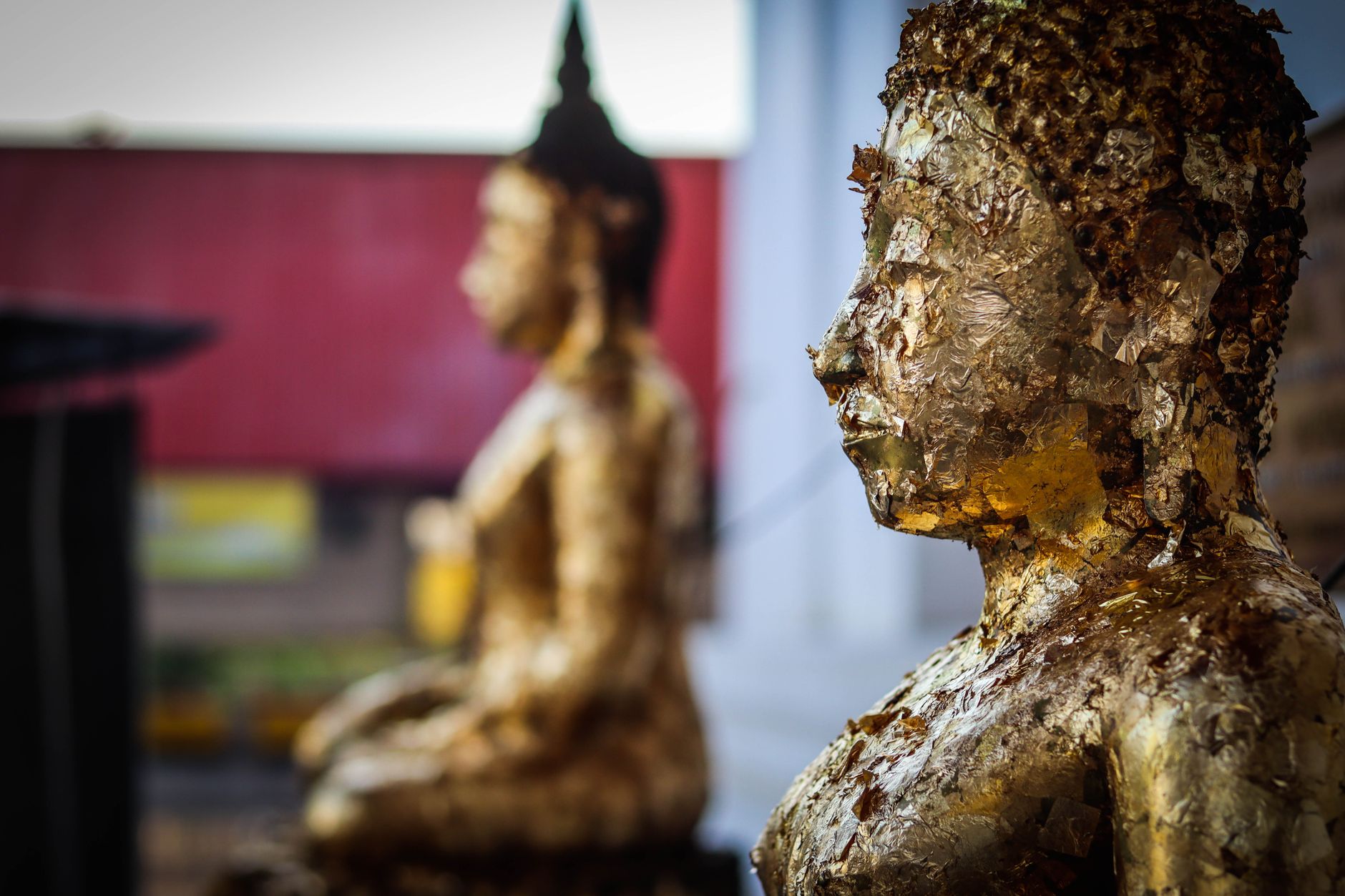 Phra Pathom Chedi golden dome above rooftops
Why people stay in Nakhon Pathom
Nakhon Pathom is the oldest continuously inhabited city in Thailand — the Dvaravati kingdom that predated the Thai kingdoms had its capital here from roughly the 6th century. The city today is small, provincial, and dominated by one thing: Phra Pathom Chedi, a 120-metre gold-orange stupa that is the tallest Buddhist chedi in the world and is visible from the highway 15km away. Whether you stay or day-trip depends on how much you value slowing down in a Thai city where you might be the only foreigner at dinner.
The centre is genuinely walkable — the chedi sits at the middle, the train station is 500m north, the main market and lunch strip is on the south side, and Silpakorn University's campus (Thailand's most respected art and architecture school) fills the eastern block. Evenings are quiet: the night market east of the chedi does dinner from 5-10pm ($1-3 per dish) and by 11pm the town is asleep. This is not a going-out destination and it is not trying to be.
Base here for one or two nights if you are combining it with Kanchanaburi (60 minutes west by road) or with the floating markets at Damnoen Saduak and Amphawa (both 40 minutes south). Skip it as a standalone destination unless Dvaravati archaeology genuinely interests you — a single afternoon covers the chedi, the museum, and lunch, and you can be back in Bangkok by dinner. Prices are low: mid-range hotels $30-45, guesthouses $15-25, and the best khao lam (sticky rice in bamboo) in Thailand for $0.60 a stick.
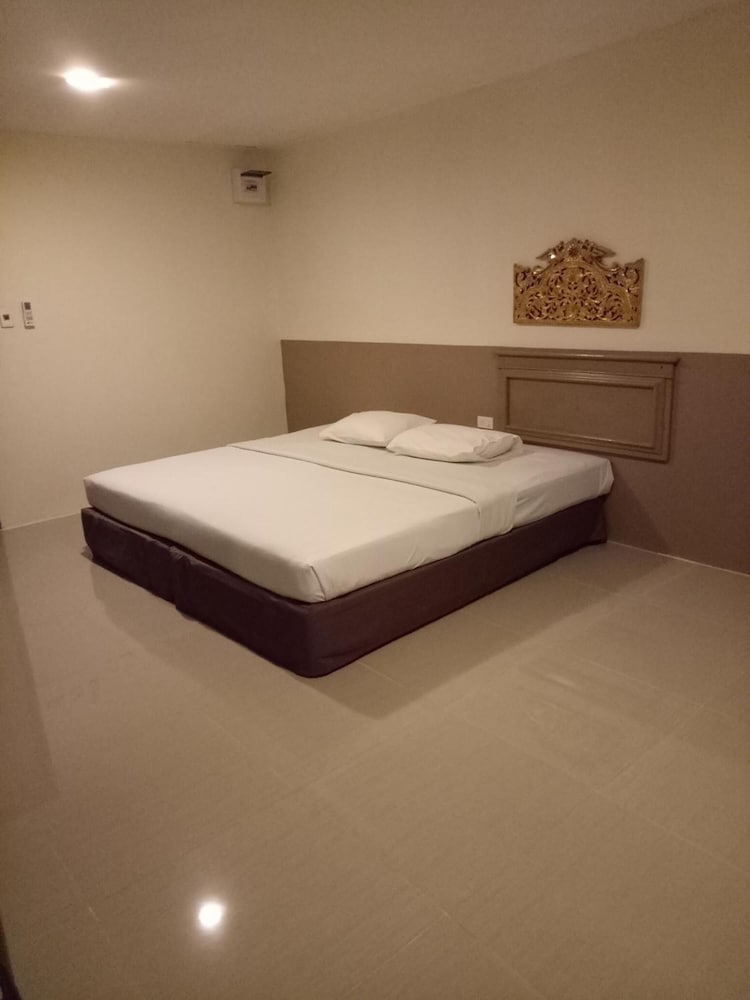
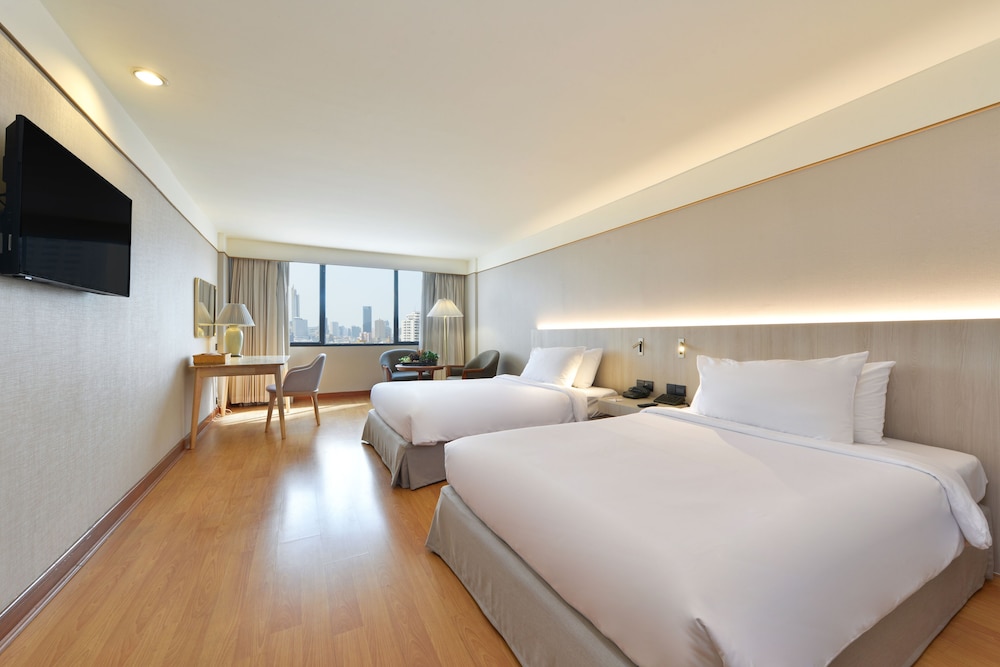
Options are limited but honest. The two best-value picks are the small three-star hotels on Ratchawithi Road within 5-10 minutes' walk of the chedi — $30-45 for a modern room with breakfast, and you can walk to every sight. Silpakorn University's Sanamchandra Palace campus has a small guesthouse ($40-50) inside the historic royal grounds, quiet and unusual. Skip the highway-side motels on Route 4 — they exist for truckers, not travellers. Guesthouses in the old market blocks south of the chedi run $15-22 and are fine for one night but rarely have hot water or AC that copes with April heat. There is no luxury tier here — if you want a $150+ hotel you are in the wrong city.
Things to do in Nakhon Pathom
The main event. The 120m orange-gold stupa in the town centre, with a wide marble terrace that fills with locals doing evening walking meditation. Free entry, open 6am-8pm. Best light 5-6:30pm. The interior museum galleries around the base display Dvaravati sandstone reliefs and are worth 30 minutes.
Rama VI's country palace 1km west of the chedi — six wooden pavilions in a mix of Thai, English Tudor, and French neoclassical styles, on 300 acres of park. Palace museum entry $3, grounds free. Open Wednesday-Sunday 9am-4pm. Silpakorn students sketch here on weekends — a nice sign of a living place.
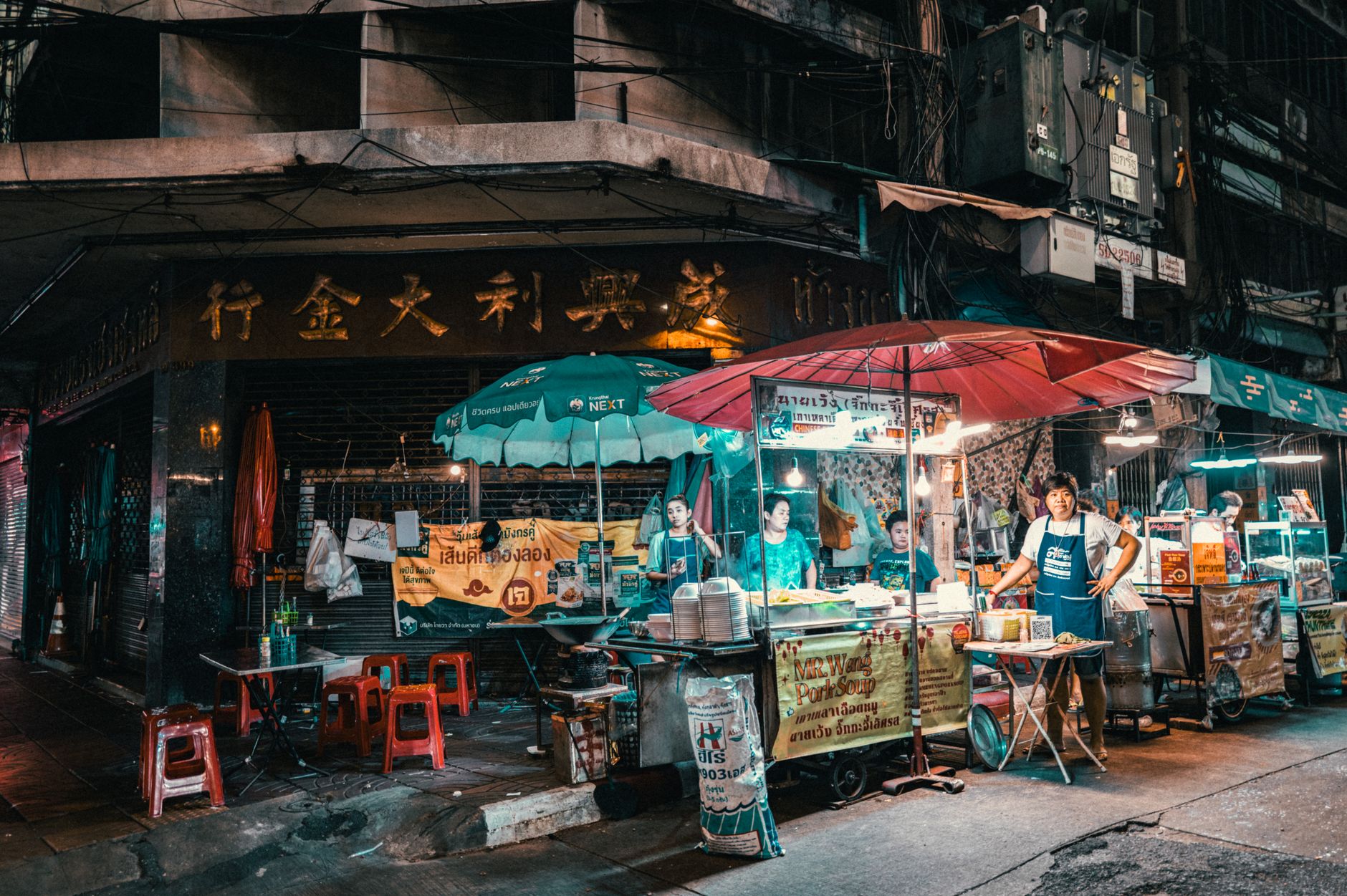
Sets up 5pm-10pm on the eastern side of the chedi terrace. Best local dishes: khao lam (sticky rice in bamboo, $0.60), khanom chin nam ya (rice noodles in fish curry, $1.20), pomelo salad from Sam Phran district ($1.50). All food $1-3. Cash only. Busiest 6:30-8pm.
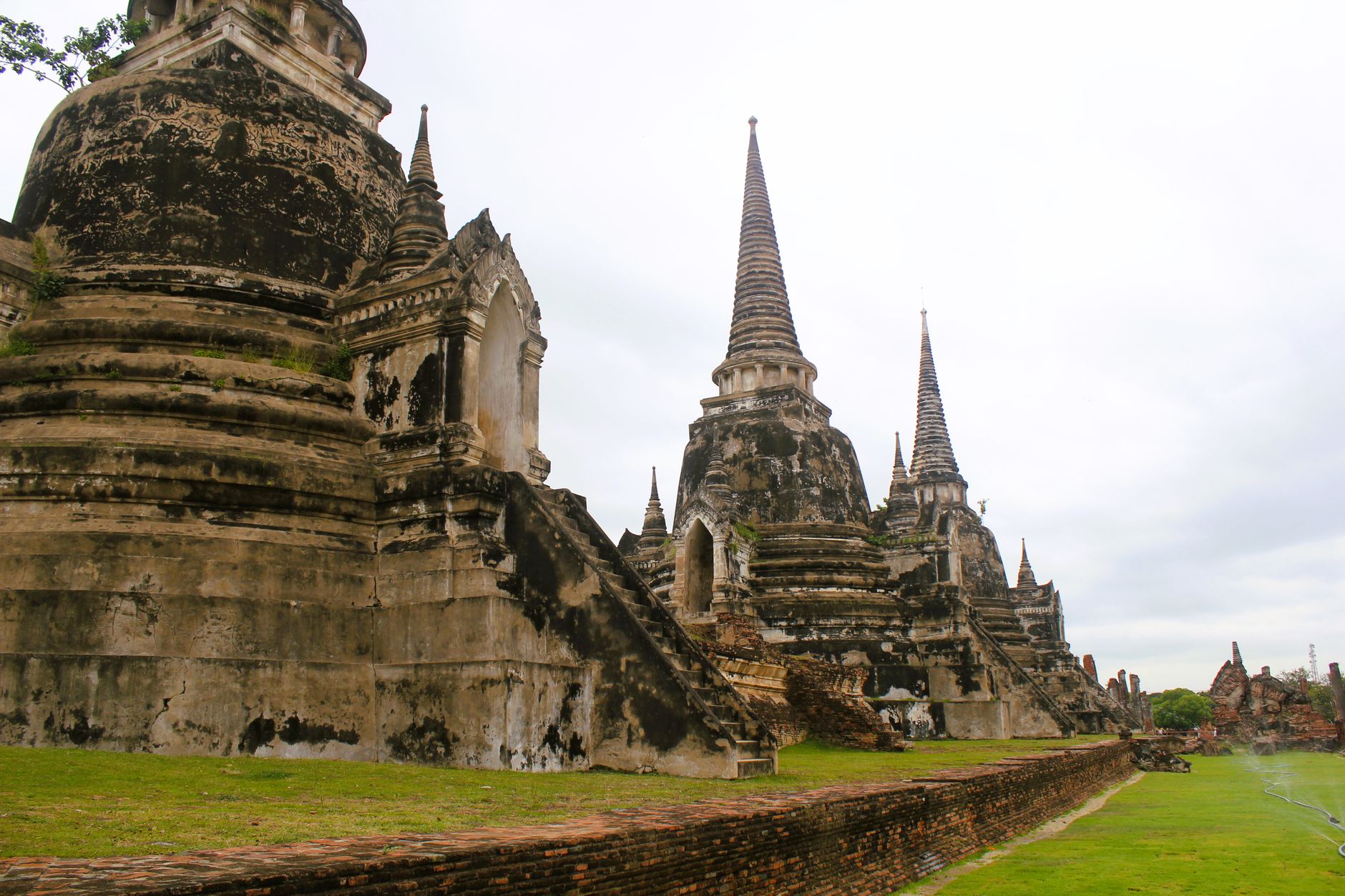
The archaeology museum on the south side of the chedi terrace holds the best Dvaravati collection in Thailand — 8th-century wheel-of-law stones, terracotta reliefs, and bronze Buddhas from the surrounding countryside. Entry $3, open Wednesday-Sunday 9am-4pm. Two hours is enough.
The reconstructed Dvaravati-era temple 500m east of the main chedi holds four large seated stone Buddhas in the original 7th-century style — one at each cardinal point. Free entry, open 6am-6pm. Rarely more than a handful of visitors. Quiet 15-minute stop.
Nakhon Pathom province produces the country's best pomelos. From August-November you can visit the Sam Phran orchards 20km east of town for direct-from-tree fruit ($1-2 per piece, sold by weight). Not touristic. Ask any Grab driver for 'suan som-o Sam Phran' and expect a $10-15 round trip.
What to see
Hotels near Nakhon Pathom
No hotels are listed in Nakhon Pathom yet. The nearest ones are on the region page.
Getting around Nakhon Pathom
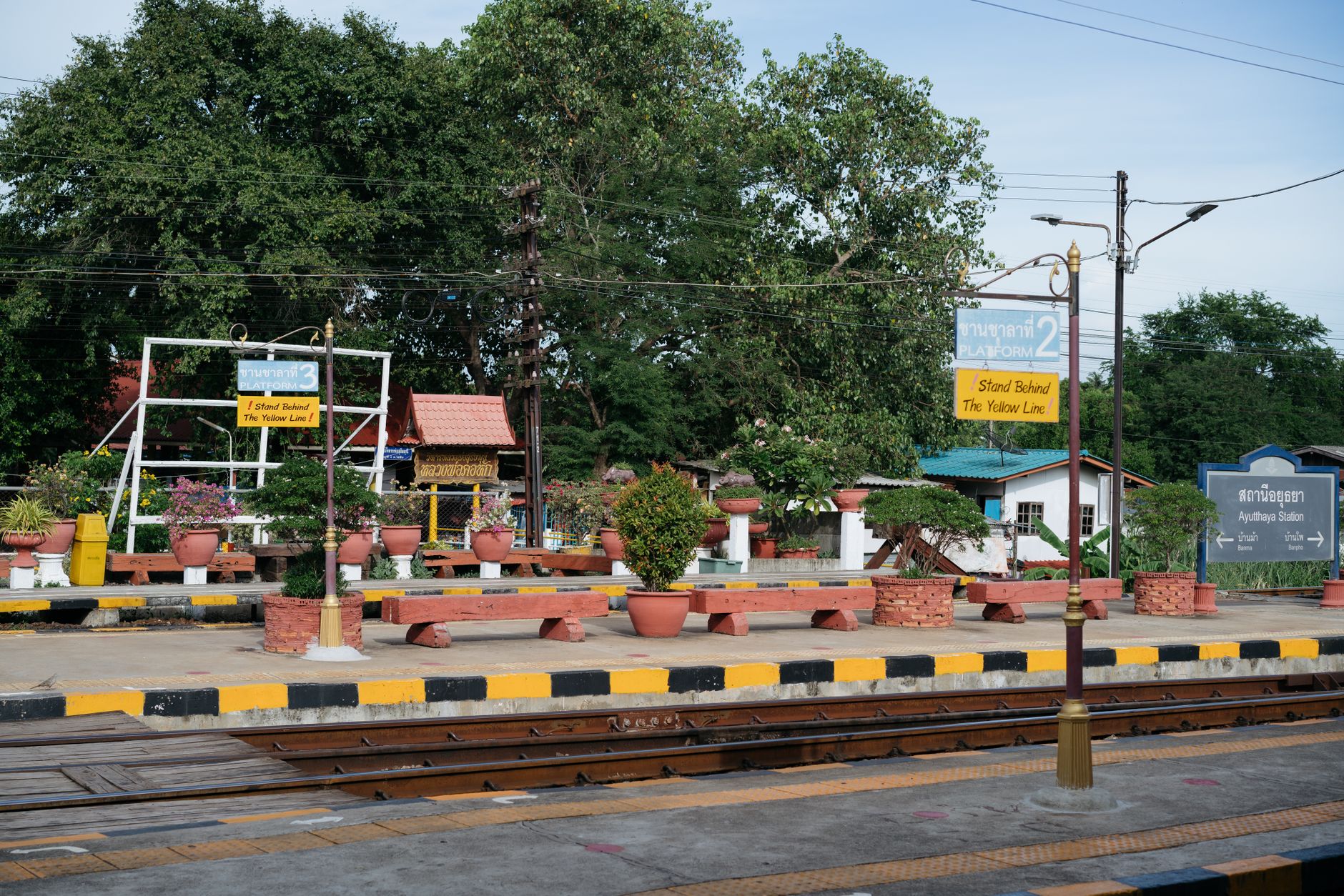
From Bangkok's Hua Lamphong or Bang Sue Grand Station, take the southern-line train to Nakhon Pathom ($0.60-2, 70-90 min). Minivans from Mo Chit ($2.50) or Sai Tai Mai bus terminal ($2) run every 30 minutes and take 70 minutes. Grab from central Bangkok is $18-28 and 75-90 minutes. Inside town everything is walkable — the whole historic core is within 1.5km of the chedi. Motorbike taxis at the station and market rank charge $0.60-1.50 for hops. For the outer palace and orchards use Grab (fares $2-5) or negotiate with a songthaew driver at Ratchawithi Road (say your destination in Thai, expect $3-5 return).
Questions about Nakhon Pathom
By height above its base, yes — 120m puts it above Borobudur's central stupa and above the Shwedagon. Some rankings dispute this depending on how you measure a tiered platform, but by every standard measure Phra Pathom is in the top three globally, and locals will insist it is the tallest. Impressive either way.
Yes and it is the sensible choice for most travellers. A 9am train from Hua Lamphong puts you at the chedi by 11am, gives you the museum and lunch by 3pm, and back in Bangkok for dinner. Only stay overnight if you are combining with Kanchanaburi, Amphawa, or a Damnoen Saduak morning market visit.
The chedi grounds are pleasant for wandering and the night market is easy dinner, but there is no theme-park or child-specific attraction. Combine with a stop at Samphran Elephant Ground and Zoo (ethically mixed) or the Rose Garden cultural show on the way back to Bangkok if you have kids under 10 who need something more active.
Rarely, outside the two main hotels near the chedi. Menus are Thai-only in most restaurants, museum labels are 50-50 Thai and English, and taxi drivers usually understand only destination names. Google Translate handles most needs. This is part of the appeal for some travellers and a friction for others — know your tolerance.